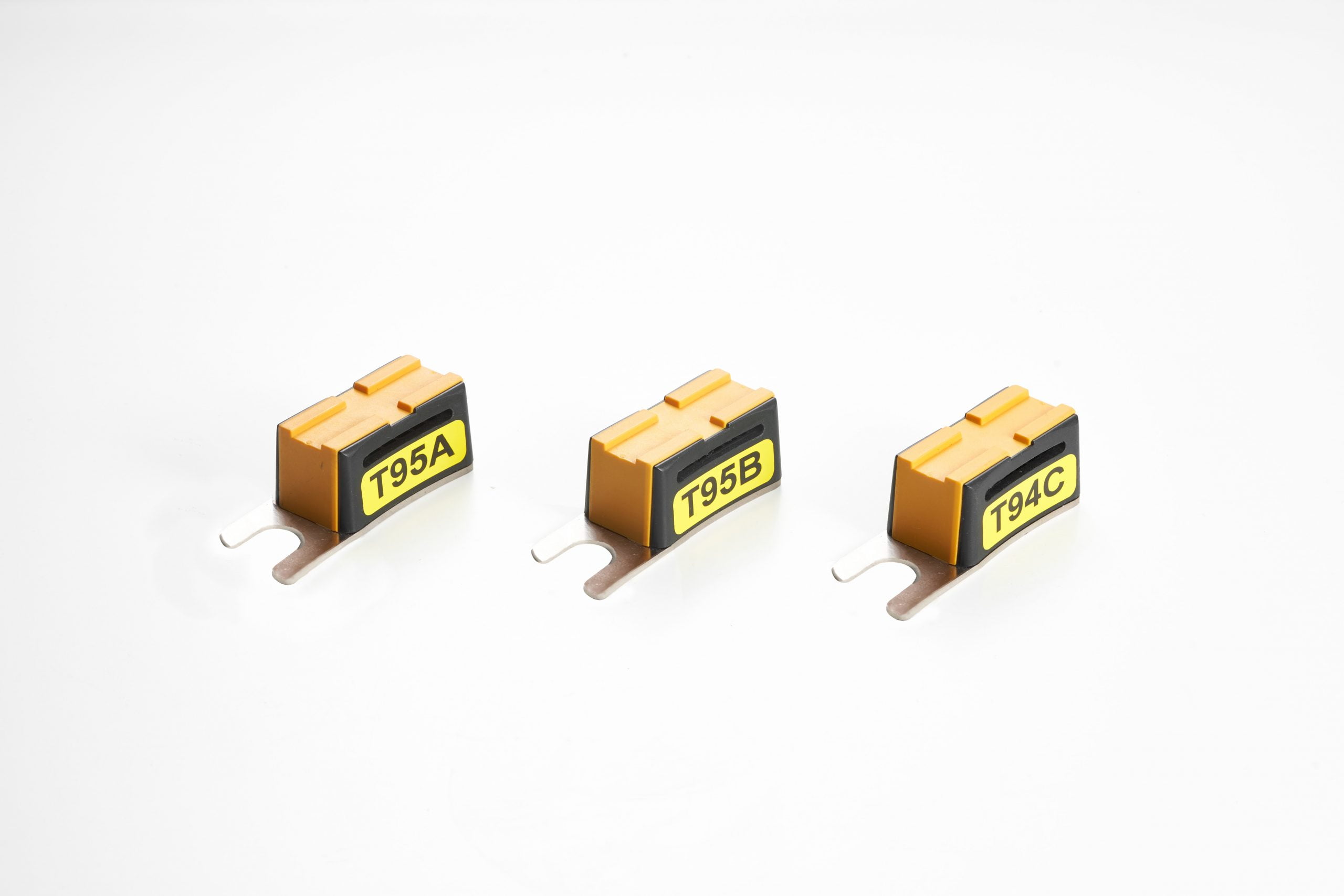






Power monitoring helps teams understand current, voltage, load, and power events. Electrical connection temperature monitoring shows maintenance teams the thermal condition of specific locations, such as busbar joints and terminals inside power distribution equipment. If looseness, corrosion, or other factors increase contact resistance, local overheating can occur even while the load remains within the rated range. If the existing system does not capture temperatures at these locations in critical supply equipment, there is still an information gap to assess.
Before adding temperature measurements, check whether connections inside critical supply equipment already have temperature data that meets the need. For equipment priorities and measurement-point selection, see Which Data Center Power Distribution Equipment and Hotspots Should Be Monitored? .
Why Can a Connection Overheat Even When Current Is Within Its Rating?
Heat at a connection is affected by the current flowing through it, contact resistance, and heat dissipation. Current remaining within the equipment's rating is not enough, on its own, to rule out a local temperature rise caused by connection deterioration.
Consider a distribution panel supplying critical racks as an interpretation example: current remains within limits, but a busbar joint consistently runs hotter than its own historical temperature under comparable operating and environmental conditions. Power monitoring provides the range of current variation, while temperature monitoring provides clues about thermal changes at that connection. The maintenance team can cross-check measurement and maintenance records before arranging a site inspection. Contact deterioration is one possible cause, but it still requires on-site confirmation.
How Do Power Monitoring and Connection Temperature Monitoring Complement Each Other?
Electrical parameters reflect supply and load, while connection temperatures indicate local thermal changes. Together, they can help narrow the inspection scope.
| Data type | Information and uses | Limits to retain when interpreting |
|---|---|---|
| Current and energy consumption | Shows the range of current variation and energy consumption of distribution equipment as context for operating conditions. | Depends on meter location and measurement level; does not directly represent the temperature of every connection. |
| Power quality data | Where the corresponding measurement functions are available, provides information such as harmonics to help analyze operating conditions. | Requires the relevant measurement capability and interpretation in light of equipment and site conditions. |
| Connection temperature and trends | Tracks historical temperatures at the same connection; persistent deviations from historical behavior warrant a site inspection. | Covers only the measured locations. |
Use the same connection's historical record as the main basis for temperature comparisons, and confirm that operating and environmental conditions are comparable. Use power monitoring and maintenance records to understand the context at the time.
For interpreting temperature changes, see the equipment condition monitoring section of Industrial Temperature Monitoring: Heat Sources, Methods and Deployment Decisions. For the difference between ambient temperature standards and connection alarm thresholds, see Why Can Electrical Connections Overheat When Data Center Room Temperatures Are Normal? .
Can Connection Temperature Data Be Integrated into an Existing EPMS, DCIM, or BMS?
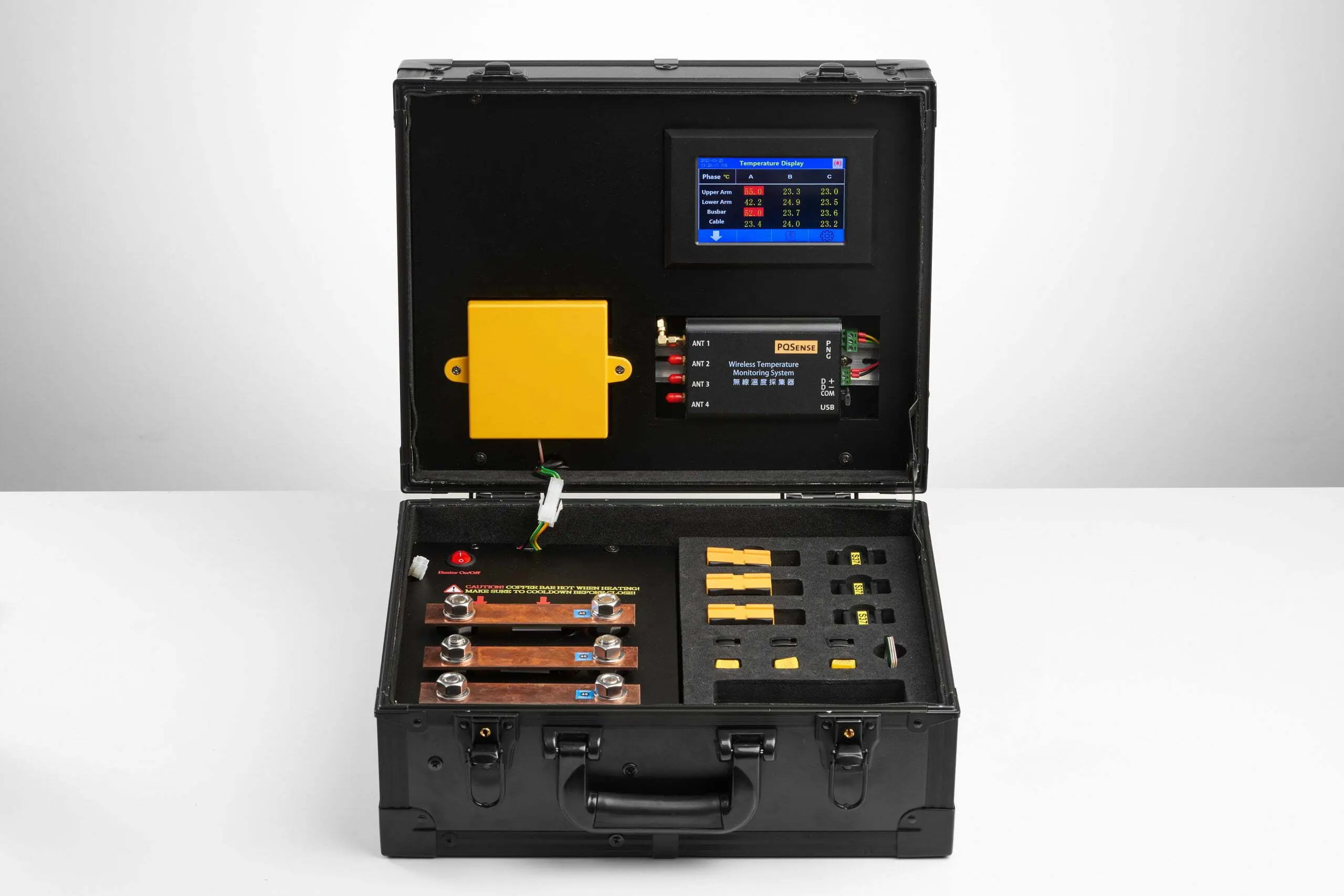
PQSense fixed readers support RS485 / Modbus RTU as an interface for planning data integration. Integration with the site's electrical power monitoring system (EPMS), data center infrastructure management system (DCIM), or building management system (BMS) still requires checking the interfaces and data formats supported by the receiving system. Having a communication interface does not mean direct compatibility with every platform.
Before integration, map each sensor ID to the equipment name and actual measurement point. Then confirm the update interval, timestamps, how data interruptions are indicated, and which system issues alarms. Only after these mappings are established can temperature and current records be viewed against a common equipment and time reference.
When Is It Worth Adding Connection Temperature Data?
First select distribution equipment supplying critical loads, then check whether temperature data is missing at suitable locations within it. Additional measurements may be worth evaluating when a thermal anomaly needs tracking or data is needed between inspections.
For equipment and measurement-point selection, installation, and acceptance steps, see Which Data Center Power Distribution Equipment and Hotspots Should Be Monitored? .
Start by discussing the following needs:
Power monitoring is already in place, but connections inside critical distribution equipment are not measured. For example, the current in a critical panel is known, but temperatures at its internal busbar joints and circuit breaker connections are missing.
Changes between inspections need to be tracked. Once deployment and reading feasibility have been confirmed, fixed monitoring can add data for periods when personnel are not on site.
A baseline is needed after equipment expansion or maintenance. Match new operating data to equipment change records to support later comparisons.
If an anomaly has already been identified, arrange inspection and corrective action first according to maintenance procedures.
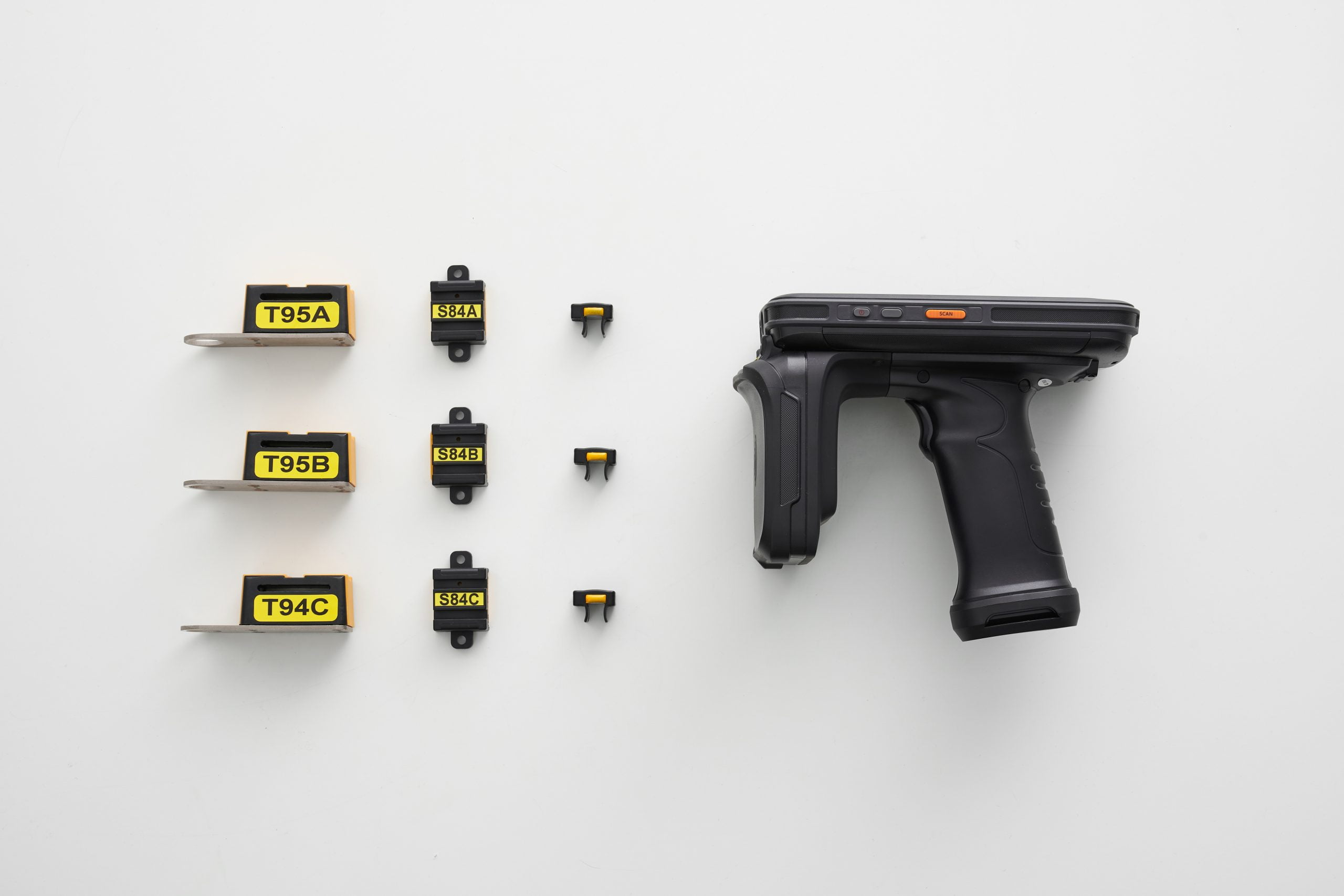
A fixed configuration can track temperatures between inspections. A handheld inspection system requires personnel to visit the site and read the current values from installed sensors.
For an overview of monitoring priorities across data center power distribution equipment, see Which Power Distribution Equipment and Hotspots Should Data Centers and Semiconductor Fabs Monitor? A Complete Temperature Monitoring Guide .
PQSense Solution Specifications at a Glance
| Item | Specification |
|---|---|
| System components | Battery-free RFID temperature sensors, temperature-monitoring antennas, and a fixed temperature reader. |
| Power supply | The sensors are battery-free; the fixed reader requires an external power supply. |
| Suitable measurement points | Suitable busbar joints, circuit breaker contacts, or cable connections, depending on the sensor model. |
| Data interface | The fixed reader supports RS485 / Modbus RTU. Connection to the existing platform and alarm responsibilities must be confirmed during deployment. |
| Sensor measurement range and accuracy | Sensor models with listed specifications: −20 to 125°C; accuracy ±2°C. |
| Deployment track record | According to PQSense’s October 2026 deployment reference, more than 16,000 systems have been deployed across more than 300 sites in 17 countries since 2017. About PQSense |
Contact us to discuss electrical connections and data needs not yet covered by your existing power monitoring.
FAQ
Can Current Alone Be Used to Estimate a Connection's Present Temperature?
Current alone is not enough to determine connection temperature. Contact resistance, structure, ambient conditions, and heat dissipation also affect the result. Model-based estimates require suitable parameters and validation; a general load reading must not be treated as a connection temperature measurement.
After Integration, Which System Should Handle Temperature Alarms?
The site should first designate the primary system for displaying alarms and sending notifications, along with the personnel responsible for responding. If both the reader side and the higher-level platform retain alarms, align measurement-point names, thresholds, and notification responsibilities to avoid duplicate or missed notifications. Integration acceptance should test actual events and data interruptions, rather than only checking that temperature numbers appear on screen.
If Continuous Monitoring Data Is Interrupted, Can the Last Normal Reading Still Be Used?
No. The last reading represents only the state at the previous measurement time. If data stops updating, check the reader, communications, and sensor reading status, and arrange supplementary inspections according to equipment criticality. Do not treat a historically normal reading as the current condition.