








To reduce unplanned downtime caused by overheating in power distribution equipment, semiconductor fabs can start by tracking connection temperatures on circuits supplying important processes and facility systems. Combining these readings with load data, supply coverage and available backup helps maintenance teams arrange inspections and maintenance earlier. Continuous records can reveal changes between inspections, providing clues for investigation before equipment failure and helping teams assess when to act.
The focus here is on power distribution panels, busbars, cable terminals and circuit breakers, rather than temperature control within process chambers or wafers. Semiconductor downtime has many causes. Connection temperature monitoring strengthens the management of electrical thermal abnormalities and works alongside power quality management, backup systems and equipment maintenance.
Why can overheated electrical connections affect semiconductor production?
Persistent overheating can degrade a connection and nearby insulation, potentially disrupting power. In a semiconductor fab, the impact depends on what the circuit supplies: process tools themselves, or the cooling, vacuum or exhaust equipment needed to keep them operating.
Loose connections, oxidized contact surfaces and worn contacts can increase contact resistance. Even when current remains within its rating, a connection may generate excessive local heat. The continuous thermal monitoring guide published by the Institute of Electrical and Electronics Engineers (IEEE) explains that monitoring temperature rises associated with deteriorating connections and providing notifications can help maintenance teams recognize potential failures. In a semiconductor fab, this information can guide further inspection of power supply connections.
For example, if cooling water pumps serve several process tools and an electrical connection fault stops a pump, the impact may extend to the tools that depend on that cooling water. Whether production must stop or backup equipment can take over depends on the actual system configuration and process requirements. Electrical risk assessment should therefore consider connections together with downstream production needs.
Which abnormalities deserve priority based on the equipment they supply?
Consider the affected processes, available backup and the steps required to resume operation, then assess these alongside temperature changes. A peak reading can flag an abnormality; the supply path determines how widely its consequences may spread.
| Power supply situation | Potential scope of impact | What to establish |
|---|---|---|
| Direct supply to process tools | Operation of an individual tool or a group of process equipment | Process status at interruption, restart steps and verification needs |
| Supply to cooling, vacuum or exhaust equipment | Process tools that depend on the supporting system | Which tools share the service and whether backup can take over |
| Shared upstream distribution for multiple units | Several loads on the same supply path | Shared supply components, isolation boundaries and alternative supply routes |
These situations help facility and maintenance teams identify supply components worth tracking continuously. Even where backup exists, establish which loads it covers and whether primary and backup equipment still share an upstream supply section. Having two units does not by itself mean that every distribution fault can be isolated.
What information can continuous temperature monitoring add to inspections?
Continuous temperature monitoring tracks selected connections across production periods, supplementing the snapshot provided by periodic inspections. For equipment that must remain in service, these records help identify recurring temperature rises and support reviews of load and operating conditions when an abnormality occurred.
For example, a connection may show no obvious temperature rise during an inspection but repeatedly run hotter during a particular production period. Continuous records retain the timing so the maintenance team can compare it with electricity use. If the same connection becomes progressively hotter under comparable loads, it warrants investigation before visible damage appears.
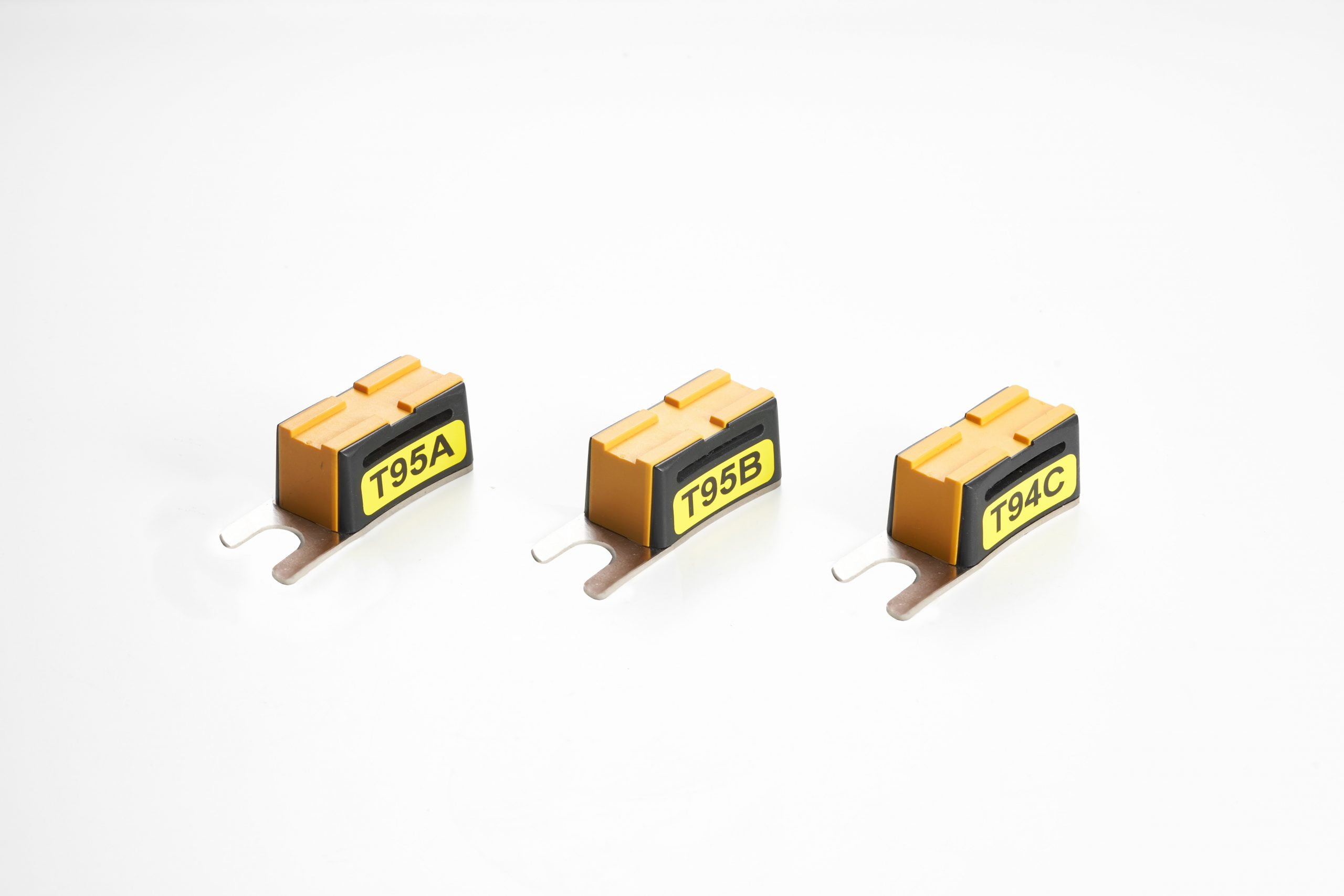
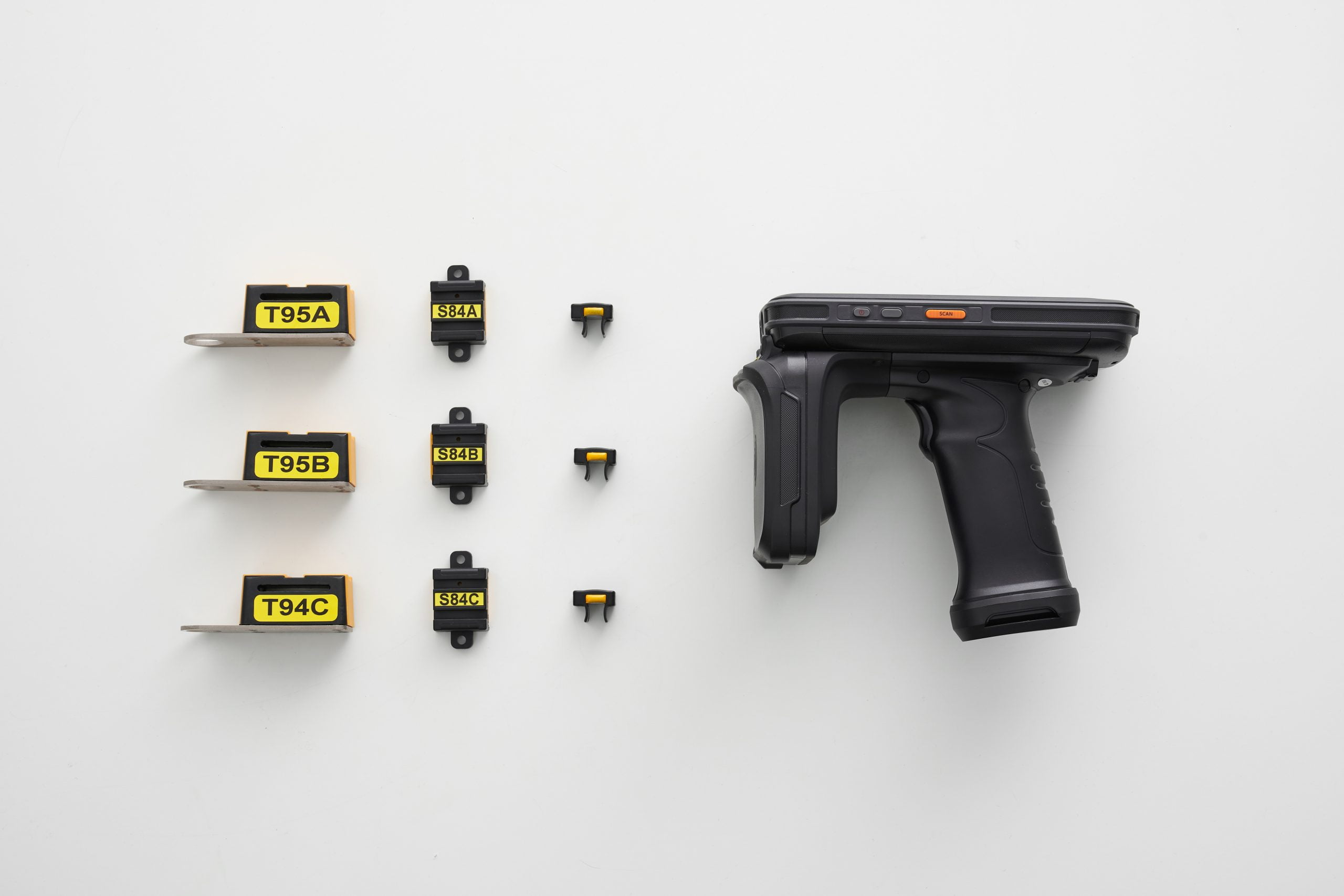
For connections inside panels that are difficult to see directly, RFID sensors can be installed at selected points and read through antennas and readers. Fixed configurations collect data continuously; handheld RFID is suited to gathering multiple point readings during inspections.
How should maintenance be arranged after a temperature abnormality is detected?
First identify the connection, how the abnormality is developing and which equipment may be affected. The maintenance team can then assess when to act. Temperature provides a clue for investigation; following it through with inspection and corrective action helps reduce the risk of further deterioration.
- Locate the abnormality and identify supply coverage. Use the panel number, connection name and event time to locate the equipment. Identify the process or facility systems it supplies so the relevant personnel understand the potential impact.
- Compare load and historical behavior. Check whether the rise persists, recurs or exceeds past readings under similar operating conditions. Do not infer a loose connection or another root cause from a single reading alone.
- Assess inspection and repair timing. Qualified personnel should consider severity, supply impact and available backup, following equipment requirements and site procedures to decide whether immediate action is needed or work can be scheduled within a suitable maintenance window. Coordinate with production, but production scheduling alone should not justify delaying necessary action.
- Track the same connection after maintenance. Record the problem found and the work performed. Compare temperatures under similar loads to assess improvement and support future maintenance and shift handovers.
For example, if a connection repeatedly runs hotter under comparable loads, the maintenance team can establish the supply impact and arrange the necessary inspection. If the inspection finds contact deterioration and repairs are completed, subsequent records can help track whether the improvement lasts. Linking detection to investigation, maintenance and follow-up also reduces the need for each shift to reconstruct the issue.
PQSense passive wireless RFID temperature monitoring solutions
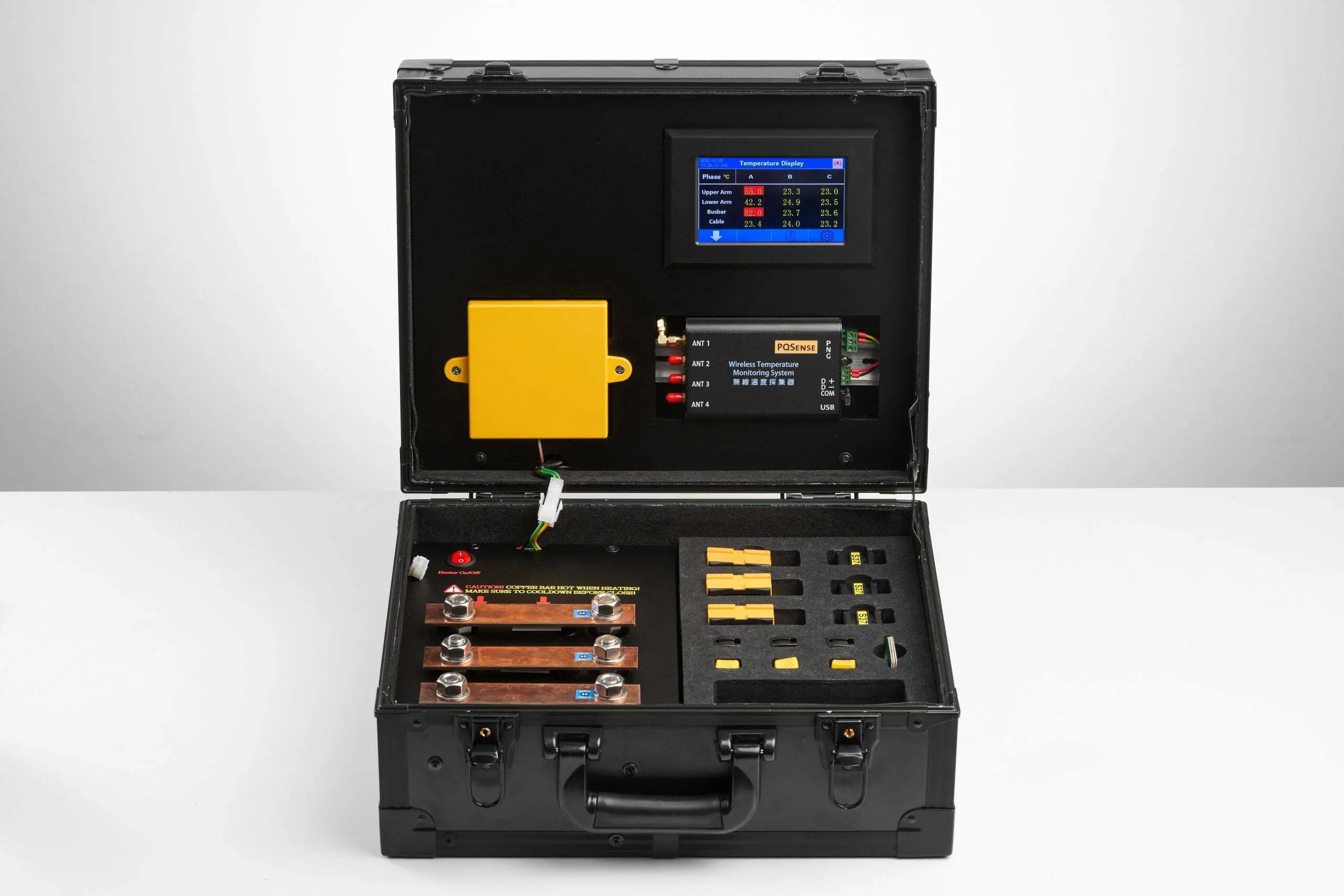
PQSense uses battery-free RFID temperature sensors with antennas and fixed temperature readers to collect temperatures at selected connections in power distribution equipment, with historical trends and abnormality alerts provided according to the configuration. Maintenance teams can track changes when personnel are not on site and arrange inspections using the connection location and event time.
For semiconductor fab monitoring needs, start with equipment supplying important processes or facility systems. PQSense can help assess suitable monitoring points and configurations. Battery-free sensors reduce battery replacement needs, while enclosure obstructions and reading conditions are considered together so data from the selected connections can support everyday maintenance.
Contact us to discuss the equipment you want to track, what it supplies and your current inspection approach.
Related solutions: Products
Further reading: How PQSense Works in Semiconductor Fabs: Monitoring the Electrical Backbone of Chip Manufacturing explores monitoring locations and solution applications for medium-voltage switchgear and low-voltage distribution panels in semiconductor fabs.
FAQ
Do we need connection temperatures if we already monitor power quality?
They provide different information. Power quality monitoring can capture supply events such as voltage sags, while connection temperatures help track local heating. SEMI F47 addresses voltage sag immunity for semiconductor processing equipment; it is not a requirement for monitoring distribution connection temperatures. The two types of data support different aspects of a power supply investigation. SEMI F47 official abstract
Can every connection use the same alert temperature?
One value should not be applied indiscriminately. Assessment should account for equipment specifications, connection location, load and environment, with reference to normal operating records. A single temperature comparison across different equipment should not be treated as a risk ranking.
Can monitoring data predict how long remains before a shutdown?
Temperature data alone cannot reliably determine the remaining time. Trends and alerts can draw attention to an abnormality earlier, but its development depends on the cause, load and equipment condition. Inspection and professional judgment are still needed; an alert does not guarantee a period of safe operation remains.
Is monitoring useful before electrical overheating has occurred?
Yes. For equipment supplying important processes, with limited backup or a complex restart sequence, records from different production periods can establish a temperature baseline and make later changes easier to recognize. Early value can be assessed through the availability of data from important connections and its usefulness for comparisons before and after maintenance, rather than only whether alerts occur in the short term.