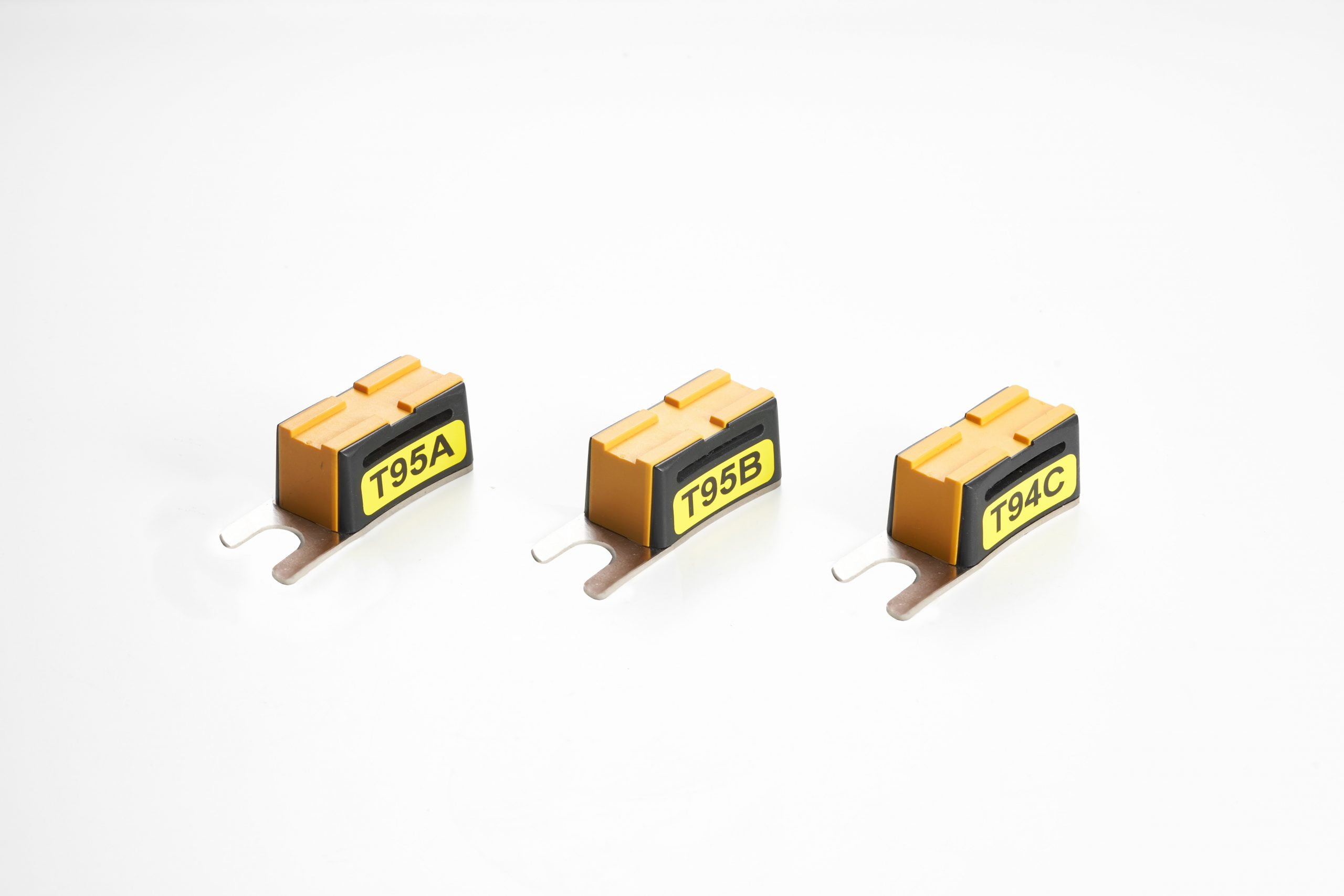


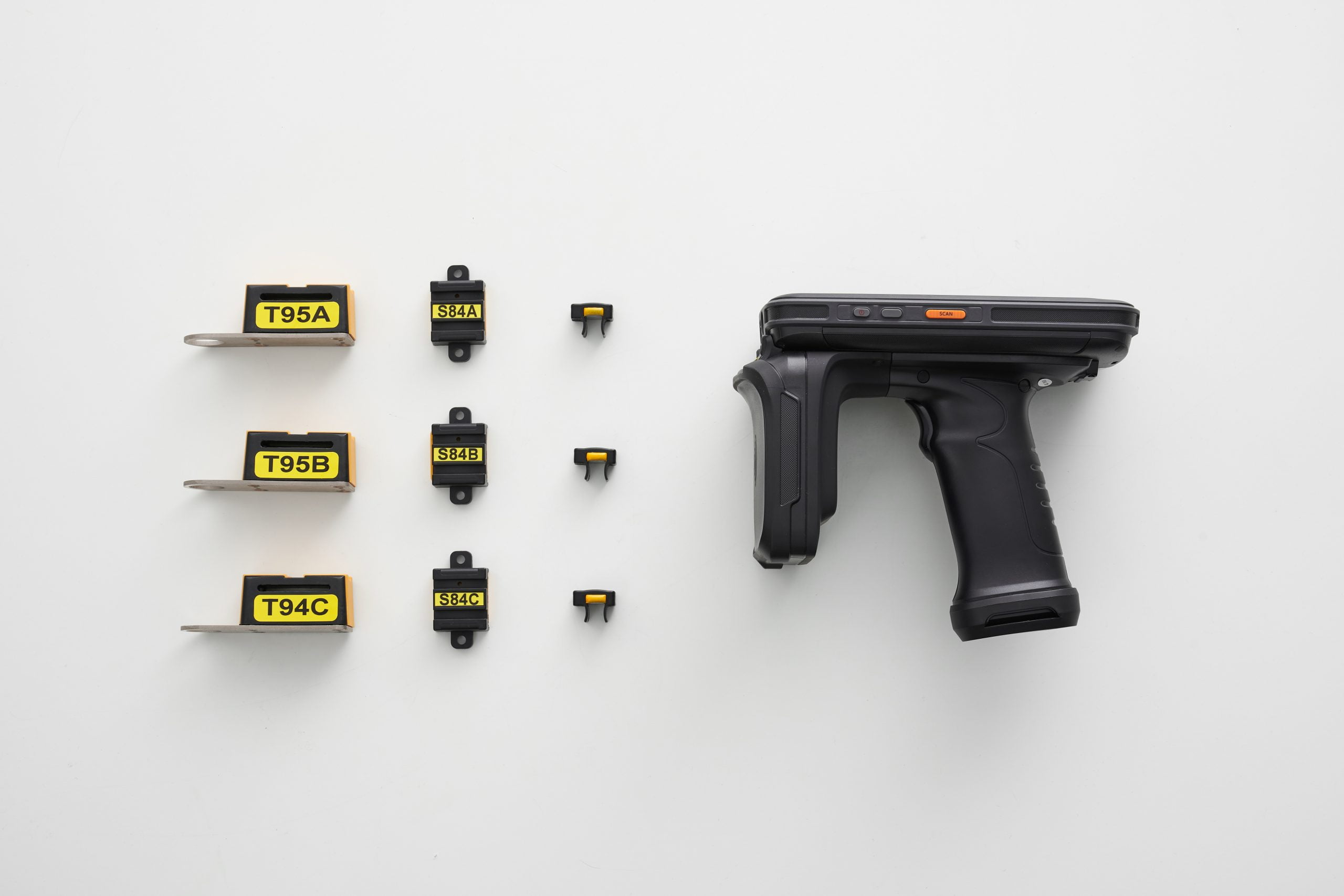


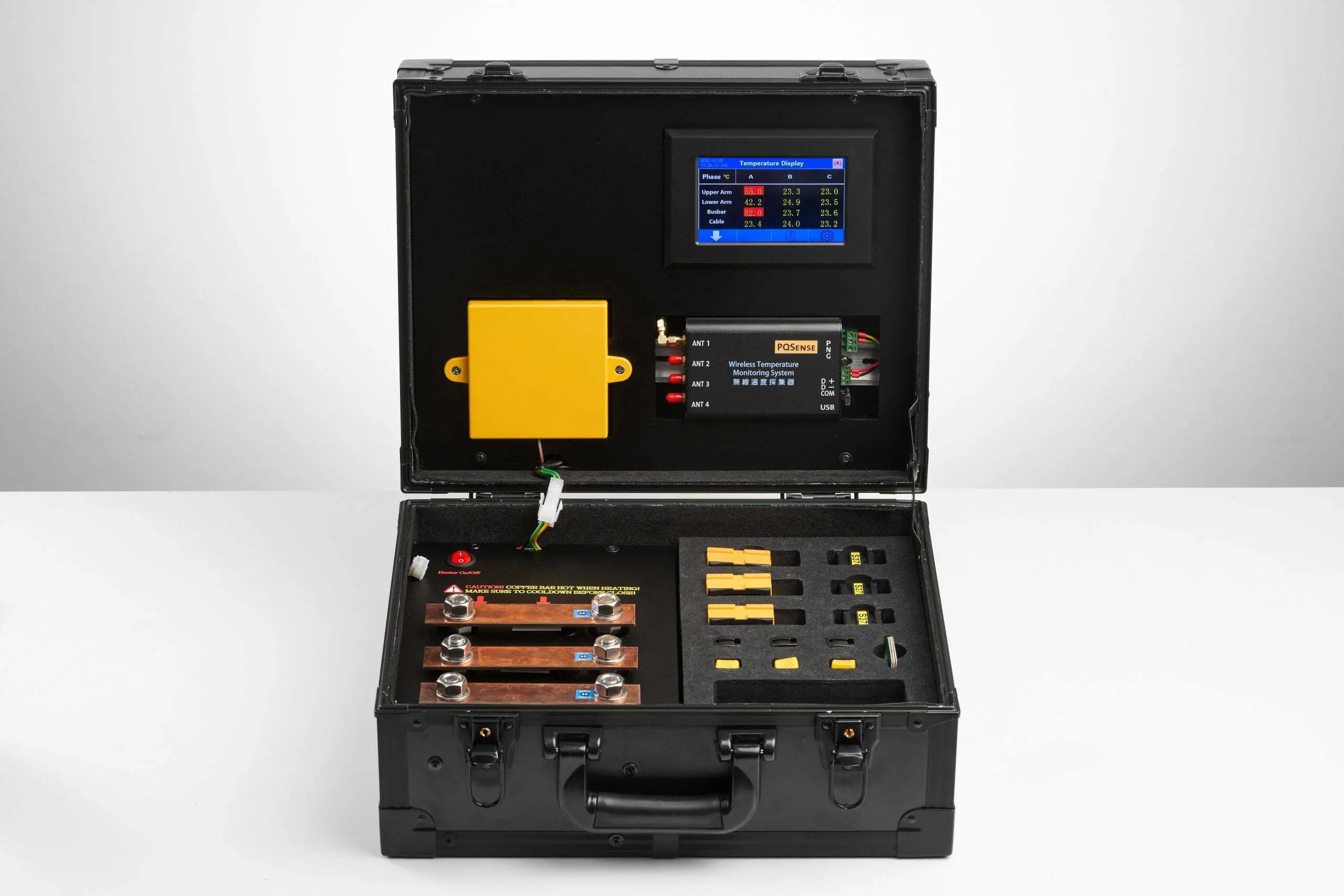






Adding temperature monitoring to operating power distribution equipment starts with defining the monitoring scope and its impact on power supply, then scheduling sensor installation within a suitable maintenance outage. After installation and restoration of power, verify readings, data updates and the mapping between sensing points and equipment so maintenance teams can track abnormalities and arrange inspections.
Before installation, define the monitoring scope and impact on power supply
During installation planning, PQSense and the maintenance team confirm the equipment to be monitored, the processes it supplies and the available outage windows. If one distribution panel supplies several production lines, assess the impact along the power supply path.
PQSense can assess the site and work with your team to clarify the following:
- Equipment priorities: equipment functions, important supply circuits, and connections or abnormalities already under observation.
- Available working windows: annual maintenance, shutdowns by area, production changeovers and the time needed to restart production after an outage.
- Who will use the data: requirements for local viewing, historical tracking or abnormality notifications, and the people responsible for follow-up inspections and shift handovers.
Does installing temperature monitoring always require an outage?
Yes. Sensors are installed at connections that are energized during equipment operation, so installation requires the equipment to be de-energized and confirmed safe for work. Once installation is complete and power is restored, a fixed system can collect connection temperatures continuously.
How can installation fit within a limited outage window?
Before the outage, complete the site assessment, confirm sensing points and materials, and plan antenna connections, reader power and data links. The installation window should allow time for safety checks, sensor installation, checks before re-energization and production restart. Estimate the duration from the actual work involved rather than the number of sensors alone.
| Stage | Recommended work | Coordination needed |
|---|---|---|
| Before installation | Confirm monitoring points, equipment configuration, materials and data display needs; complete settings that can be prepared in advance | Production and maintenance schedules, work authorization, and site and IT contacts |
| During the agreed installation window | Complete installation, point identification and required checks using the approved working method | Personnel responsible for shutdown and re-energization, sequencing with other maintenance work, and approval to restore power |
| After operation resumes | Check readings, data updates and agreed functions; retain test records | Representative operating periods, maintenance staff use of the system, and issue follow-up |
When installation coincides with annual maintenance, coordinate the sequence of connection servicing and sensor installation to avoid reworking a completed setup after components are replaced. Also agree in advance on what happens if site conditions differ from the drawings: which points will be deferred, who decides on changes, and how the planned restoration of power will be maintained.
Larger deployments can be divided by power distribution area or maintenance phase. Each handover should distinguish completed points, points needing improvement and points not yet included, so the maintenance team knows the actual monitoring coverage.
After installation, how can you confirm the monitoring system is ready for use?
At handover, first check that the agreed monitoring scope is complete and that each displayed sensing point can be located on the actual equipment. The point list should map sensor IDs to panel numbers, connection names and phases where applicable, supported by location diagrams or photographs. Record any incomplete points or adjustments still needed.
Next, confirm that data can be obtained under normal equipment conditions. Selected sensors should remain readable with doors closed and covers in place. After power is restored and equipment is operating, check that the fixed system updates data at the configured intervals rather than only confirming a reading during installation.
Finally, have maintenance staff view temperatures for a selected piece of equipment. Where historical records or alerts are included, check that a specific period can be retrieved and confirm how alerts are displayed or delivered. Provide test records, operating instructions and a support contact so routine checks, abnormality follow-up and shift handovers have clear reference information.
PQSense passive wireless RFID temperature monitoring solutions
PQSense uses battery-free RFID temperature sensors with antennas and temperature readers to collect temperatures at selected connections in power distribution equipment. Depending on the requirements and configuration, fixed monitoring provides continuous data collection, local display, historical trends and abnormality alerts, helping maintenance teams track changes between inspections.
Contact us and describe the equipment or connections you want to monitor. PQSense can assess the site and plan outage work around production and maintenance schedules.
Related solutions: Products
FAQ
Can an assessment begin without complete electrical drawings?
Yes. Simply describe the equipment or connections you want to monitor and contact PQSense to arrange an on-site assessment. Complete drawings and inspection records are not prerequisites. The team can then work with site personnel to confirm monitoring points, power supply coverage and outage arrangements before installation.
Can monitoring be deployed where cloud access is unavailable?
Yes. The PQSense temperature monitoring system can operate independently. Data can subsequently be sent to a local monitoring system or the cloud according to site needs, with the connection and display arrangements defined accordingly.
Is rechecking required after replacing a circuit breaker or changing a connection?
If the change affects sensor location, point names or reading conditions, recheck the affected configuration and functions and update the monitoring point list. Retain the change date and records from before and after the work so later temperature changes can be assessed in the context of equipment or location changes.