








Consider continuous temperature monitoring when electrical equipment serves important processes, downtime has a major impact, or connection temperatures need to be tracked while personnel are away. Even before overheating occurs, ongoing records show changes across loads and operating periods, supporting early detection and maintenance planning.
Distinguish improving each inspection from tracking operating conditions continuously. Handheld RFID improves access to concealed connection readings, multi-point scanning and recordkeeping. Fixed monitoring collects temperatures from selected connections on an ongoing basis, filling the gaps between visits. Businesses can combine the two according to equipment importance, starting with priority locations.
Using switchgear, busbar joints, cable terminations and circuit breaker contacts as examples, this article explains when continuous monitoring is useful, which equipment to prioritize and how to plan an initial configuration.
Use five factors to identify the monitoring support you need
First consider which equipment could be affected by delayed detection, then whether existing inspections provide the necessary information. These five factors distinguish needs that handheld RFID can address from those suited to fixed continuous monitoring.
| Decision factor | Current need or condition | Suitable approach |
|---|---|---|
| Gaps between inspections | Changes between visits need tracking, or anomalies disappear before follow-up | Fixed monitoring retains temperature records to help identify when changes occurred |
| Connection visibility | Connections are difficult to see directly and existing tools cannot measure their temperature | Assess RFID readings; choose handheld or fixed collection according to whether ongoing data is needed |
| Load variation | Temperature changes at night, under high loads or across production modes need ongoing tracking | Fixed monitoring covers operating periods for comparison with load records |
| Power-supply impact | Connections serve important equipment, redundancy is limited or recovery after downtime is lengthy | Prioritize assessment of fixed preventive monitoring even without past overheating |
| Inspection workload | Many sensing points, repeated readings, manual transcription and travel make rounds time-consuming | Handheld multi-point scanning and digital records improve efficiency; assess fixed monitoring when fewer visits for readings are needed |
Concealed connections or time-consuming rounds do not by themselves determine the need for continuous monitoring. Both handheld and fixed RFID configurations read installed sensors within effective RF range. The key reason to choose fixed monitoring is whether a connection warrants ongoing tracking while personnel are away.
How should you choose handheld RFID, fixed monitoring or a combination?
Choose according to how the data will be used; there is no need to wait for an inspection failure before adopting fixed monitoring. Handheld RFID improves the efficiency of each round, while fixed monitoring continuously tracks important equipment. Different areas can use different approaches.
Handheld RFID: improve multi-point readings and inspection records
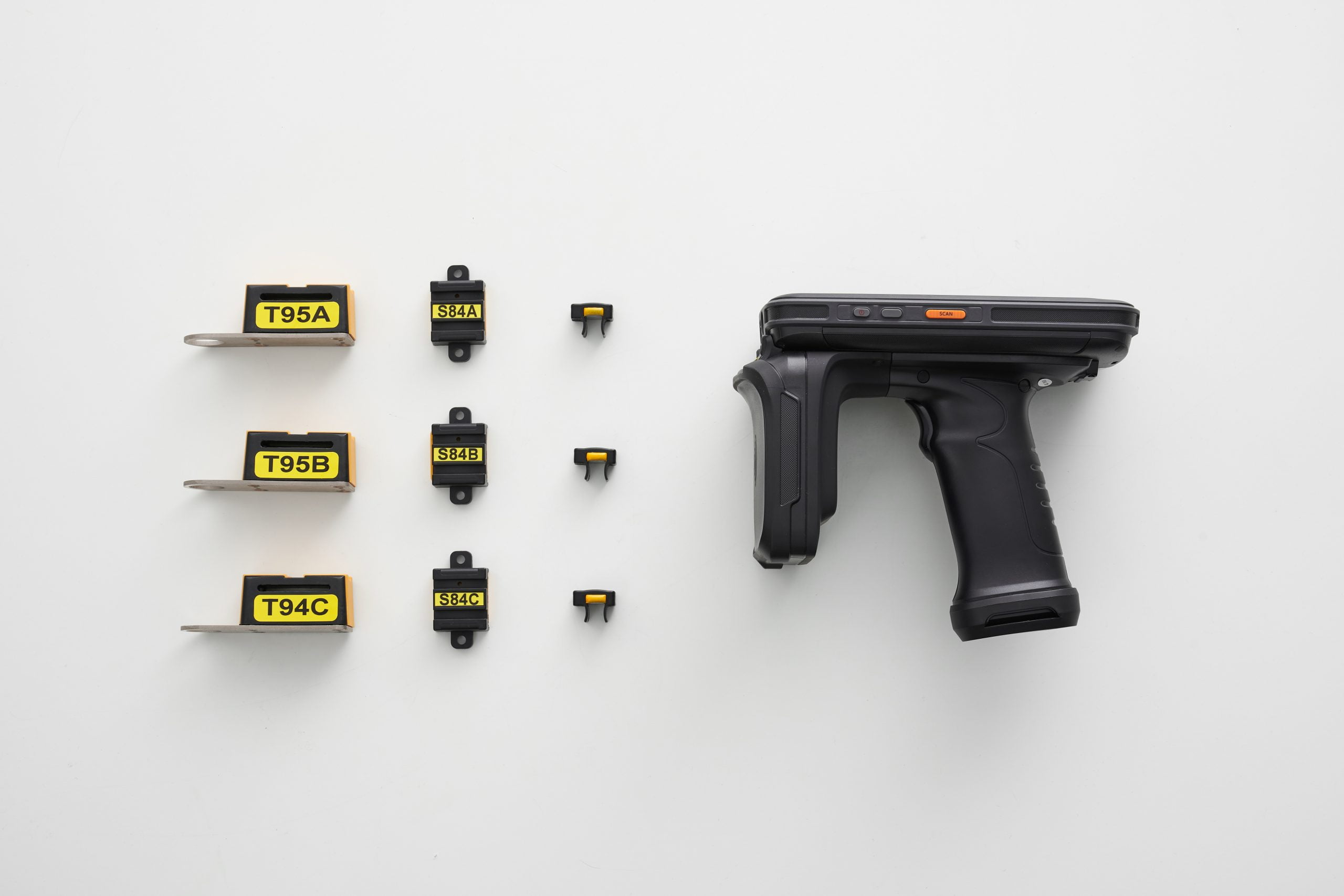
Handheld RFID suits equipment that needs regular on-site checks and connection readings during those visits. Personnel scan installed sensors within effective reading range without visually locating or aiming at each sensor. Sensing-point identification and digital records reduce transcription. Appropriate inspection timing helps teams track the same connections more efficiently.
Fixed monitoring: track important equipment and operating periods continuously
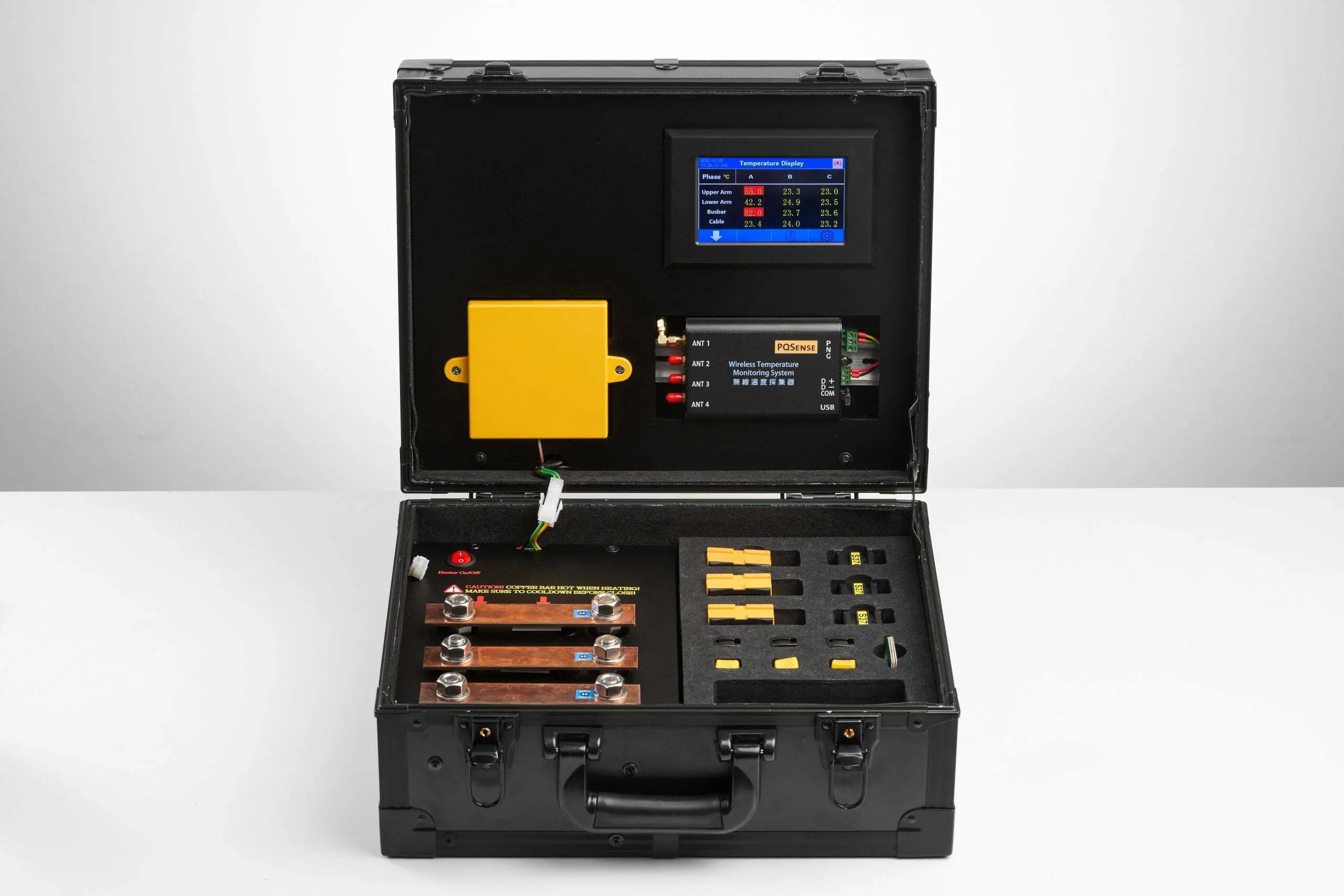
Fixed deployment can be assessed directly for connections serving important processes, lacking redundancy or needing nighttime and high-load tracking. The system collects temperatures at configured intervals, with trends and alerts according to configuration, giving teams information before arrival to plan follow-up checks.
Combine approaches: monitor important points continuously and inspect the rest
A site does not need a single approach throughout. Fixed monitoring can cover main supply connections or important equipment, while handheld inspection covers other locations requiring periodic checks. Personnel can still inspect equipment and its surroundings and use thermal imaging to search nearby areas for hotspots.
For example, fixed monitoring can track day and night load changes at a production line’s main supply connections. Other equipment can be read during periodic rounds, with coverage adjusted according to supply impact and maintenance needs.
Which equipment and connections should the initial deployment cover?
Start with equipment and supply paths where downtime has a greater impact. PQSense then helps translate monitoring needs into sensing points and configurations. Businesses can begin with equipment functions, operating periods and maintenance arrangements without first choosing antenna positions or collection specifications.
- Prioritize equipment: Identify the processes supplied, available redundancy and recovery time after downtime. Where one supply path affects several devices, assess the associated connections first.
- Select sensing points and methods: PQSense assesses suitable locations based on equipment structure and monitoring needs, then plans handheld or fixed configurations. The team also evaluates shielding, antennas and reading coverage.
- Define data use: Specify on-site viewing, historical records or alerts while personnel are away as needed. Confirm who receives the information, how it is handed over and how checks are arranged.
- Start with priority areas: Plan sensing points for equipment needing ongoing attention and coordinate sensor installation with maintenance or shutdowns by area. Once installation is complete and power is restored, the fixed system continuously collects connection temperatures. Expand coverage according to maintenance needs.
How can you decide whether to expand the initial deployment?
The initial deployment is valuable when data from important connections is usable and helps the team plan maintenance. Review these four areas before selecting the next equipment to include:
- Important operating periods: Can the planned points provide ongoing data at night, under high loads and across production modes?
- Anomaly investigation: Can records identify the equipment, connection and event time for comparison with load or site conditions?
- Inspection planning: Can alert recipients locate the point, arrange on-site checks and record the response?
- Maintenance follow-up: Can temperatures before and after maintenance or component replacement be compared at the same location?
A short period without anomalies does not mean monitoring has no value; everyday records gradually build a reference for comparison. Once data and response processes are useful, expand according to equipment importance rather than choosing locations solely because they are easy to install.
PQSense Passive Wireless RFID Temperature Monitoring Solutions
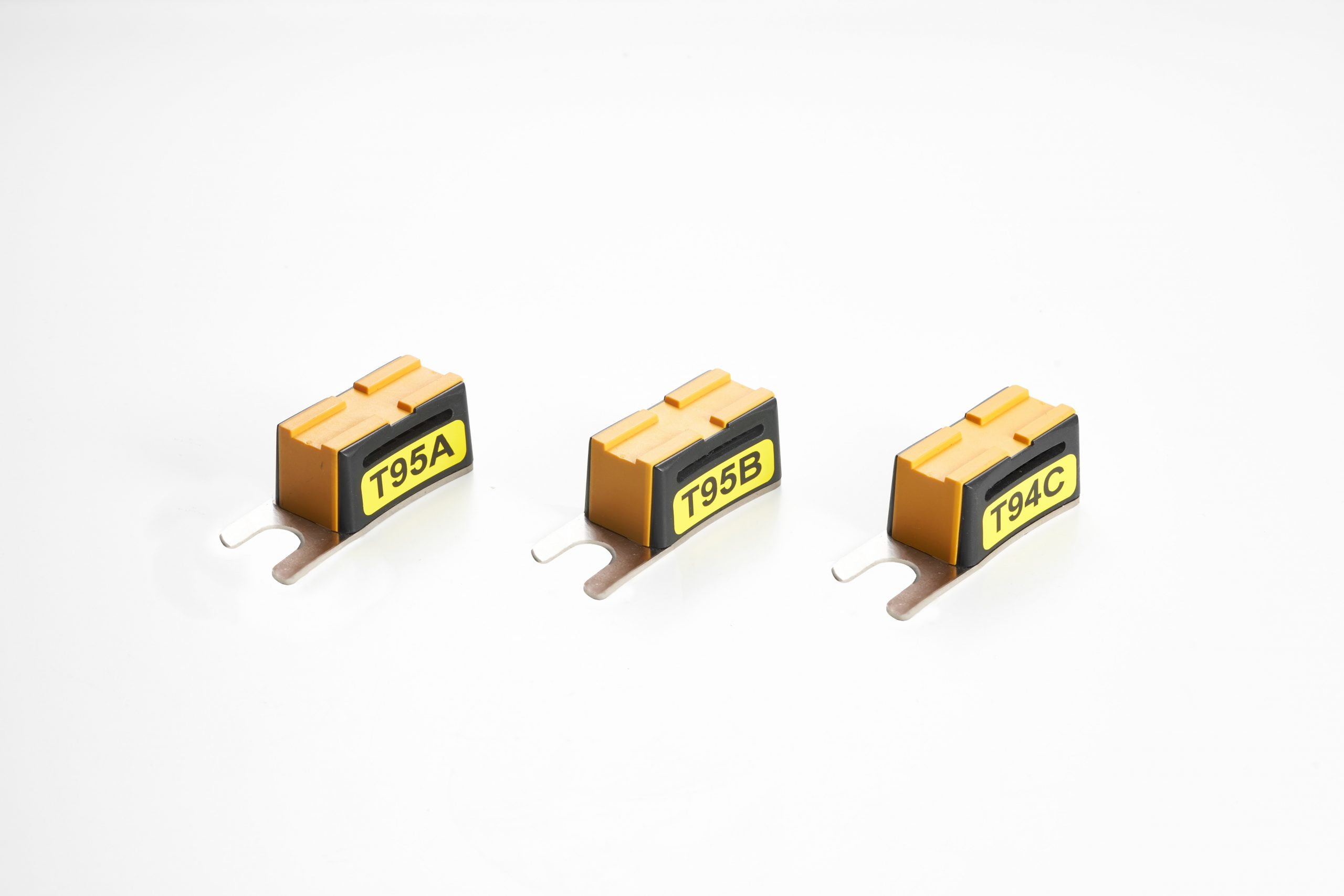
PQSense combines battery-free RFID temperature sensors with antennas and readers to measure electrical connections. Sensors can be installed at points of interest and read without direct line of sight. Handheld configurations support multi-point inspections, while fixed configurations track temperature changes when personnel are away.
PQSense helps assess suitable sensing points and configurations according to the equipment’s supply function and data needs. For connections requiring ongoing tracking, temperature displays, historical records and alerts can be provided according to configuration, starting with priority equipment and building the information needed for maintenance follow-up.
Recommended reading: How to Choose the Right Wireless Temperature Monitoring System
Contact us to discuss your current inspection approach and suitable monitoring scope and configurations.
FAQ
Should equipment with no overheating history still be assessed?
Yes, it is worth assessing. No recorded overheating may simply mean data has not been collected under certain loads or operating periods. For equipment with significant downtime consequences or limited redundancy, everyday temperature records help identify departures from usual conditions and support preventive checks and maintenance.
Is monitoring useful after an overheated component has been replaced?
Monitoring helps establish whether improvements persist, particularly at connections serving important equipment or showing recurring heating. Compare records before and after maintenance under similar loads and operating conditions, and arrange checks if temperatures become abnormal again. Monitoring does not replace repairs or corrective action.
Can continuous monitoring eliminate existing inspections?
Checks of equipment appearance, surroundings and locations without sensors remain necessary. Fixed monitoring can reduce repeated visits solely to obtain readings from selected connections. Adjust inspection content and frequency according to equipment maintenance requirements and risk assessment.
Can PQSense temperature monitoring be deployed without a power outage?
Sensor installation requires an outage. If one cannot be scheduled yet, contact PQSense to assess the equipment and connections you want to monitor, then coordinate a suitable maintenance window or shutdown by area. Sensors must be installed with the equipment de-energized and confirmed safe for work.
Once installation is complete and power is restored, the fixed system can continuously monitor connection temperatures while the equipment is operating.