FAQ
Temperature Monitoring in Semiconductor Fabs: Which Electrical Connections Should Come First?
Plan temperature monitoring for semiconductor fab

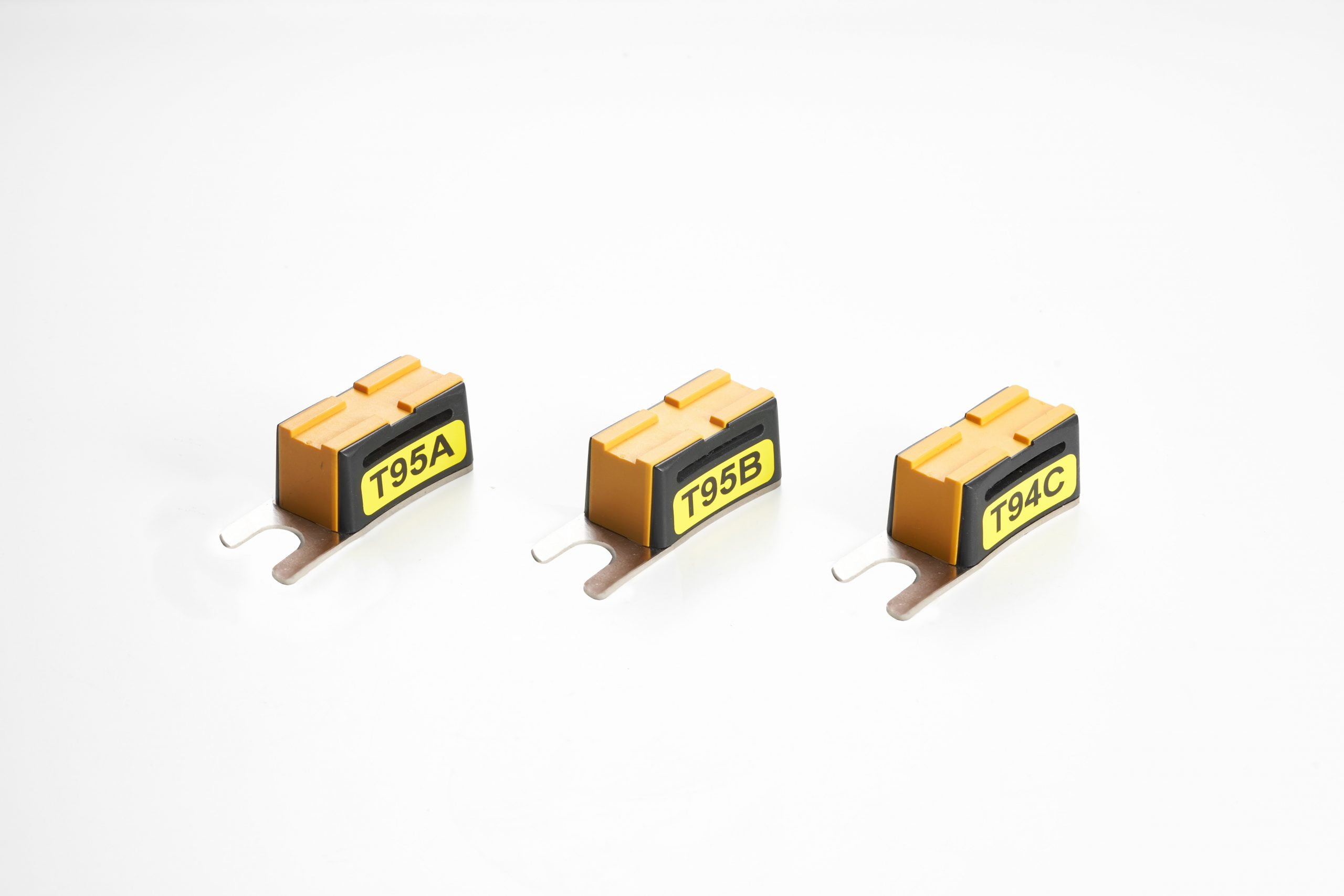


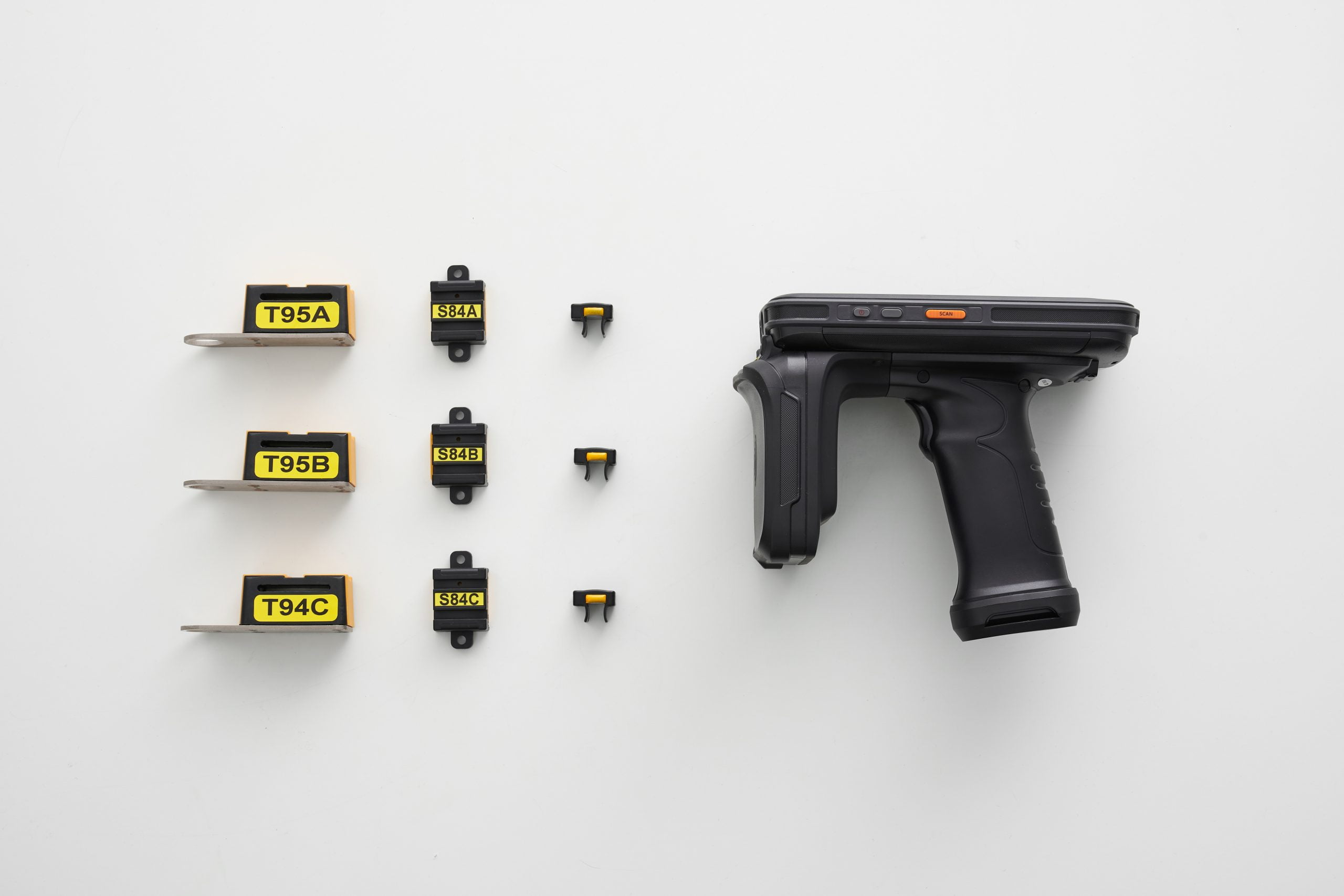


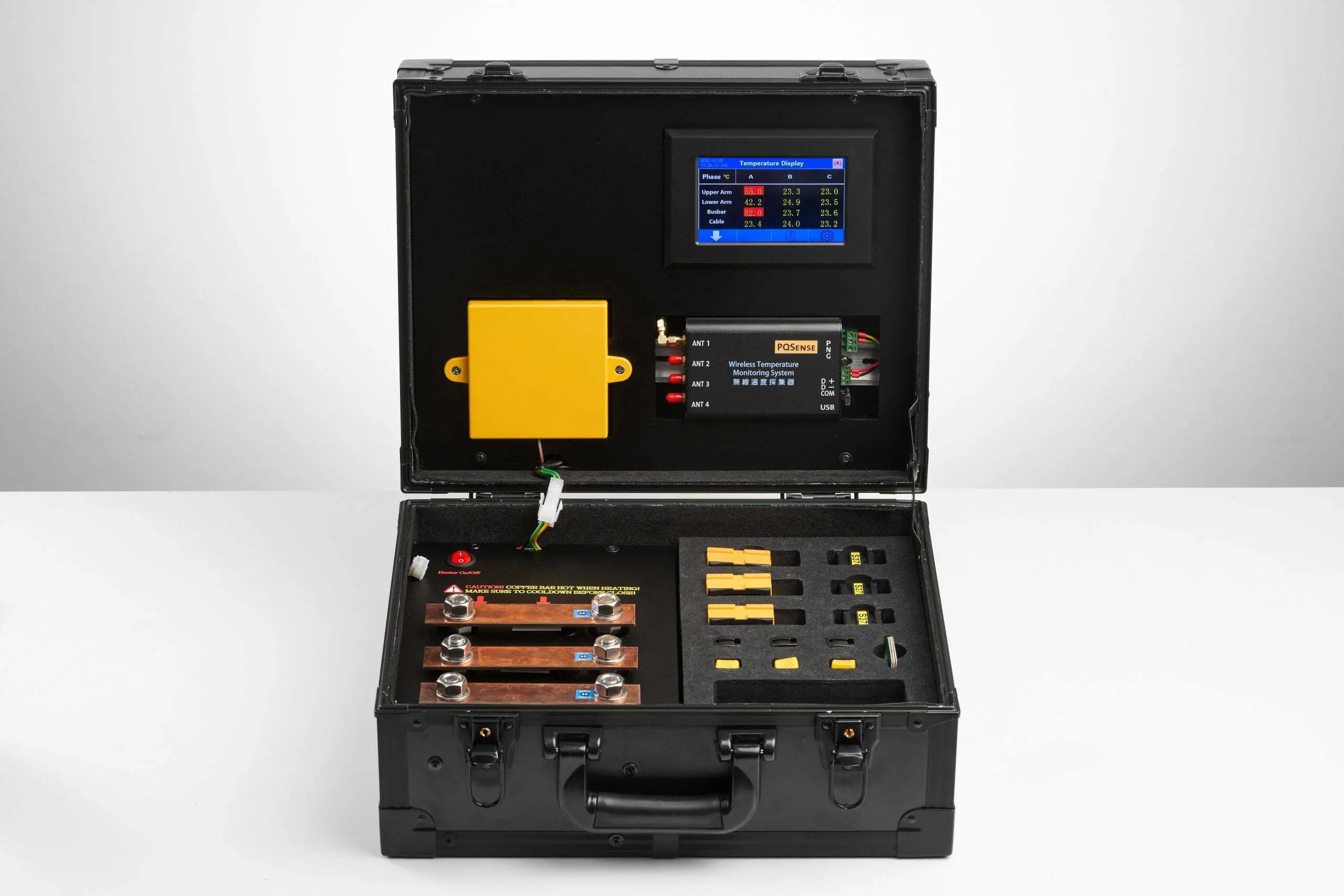


PQSENSE temperature monitoring equipment is designed to address this critical challenge. Miniaturized wireless temperature sensors are installed directly at key heat-generating points inside the switchgear, such as circuit breaker contacts, cable terminals, and busbars, enabling real-time, high-precision temperature monitoring.


PQSENSE temperature monitoring solutions provide ideal wireless temperature monitoring for RMU switches, cable terminations, and busbars.


PQSENSE temperature monitoring solutions provide passive wireless monitoring for transformers, particularly for critical heat-generating points such as bushings and terminals on oil-immersed or dry-type transformers.


PQSENSE temperature monitoring equipment provides cost-effective early warning monitoring for low-voltage environments.


Plan temperature monitoring for semiconductor fab
Plan temperature monitoring for semiconductor fab

Abnormal heating caused by poor contact at circuit breakers, cable joints, and other power distribution connections can lead to damage or fire. PQSense IoT temperature monitoring can track temperatures at installed sensing points, helping maintenance personnel identify changes between inspections and arrange checks and corrective action. These records can also support discussions between businesses and insurers about risk improvement. An incident can interrupt production and result in substantial claims, so monitoring must be paired with maintenance to provide preventive value.
Alongside risk transfer, insurers also provide loss prevention services. With the use of sensors and data analysis, insurers such as Munich Re’s HSB and Chubb have incorporated IoT monitoring into selected services to help customers identify problems early.
Risk assessments can draw on equipment age, maintenance records, and the scale of factory operations. IoT devices such as temperature and vibration sensors add information about equipment condition and support ongoing tracking. For example, Munich Re’s HSB offers commercial sensor solutions for issues including water leaks and temperature changes. The Chubb and HSB partnership announcement also describes using sensor alerts to prompt customer action and help prevent property damage.
By providing risk alerts, an insurer can serve as a risk advisor as well as a claims payer. These examples support an approach that combines monitoring with action. Whether data is used in underwriting or qualifies a customer for premium incentives depends on the individual insurance product and underwriting terms.
For insurers, monitoring combined with risk improvement can serve two goals:
PQSense’s passive wireless temperature monitoring system fits this approach:
PQSense can provide contact temperature data for energized equipment such as high-voltage switchgear and distribution panels. Integration with an insurer’s risk assessment system requires separate confirmation of data fields, interfaces, and access permissions. General monitoring functions should not be treated as completed underwriting integration.
Electrical overheating is one source of industrial fire risk. Poor contact, aging components, or prolonged operation under high loads can be associated with abnormal temperature rises. Severe conditions may lead to electrical damage and production interruptions. A temperature rise is a sign of a possible problem; its cause must be assessed alongside load, temperature trends, and field inspections.
The following hotspots can be prioritized for sensor deployment assessment in industrial power systems:
PQSense passive RFID sensors can be deployed at suitable metal contacts or measurement points inside panels, depending on the model and installation conditions. The sensors require no batteries and receive RF energy from the reading equipment. A fixed system still requires antennas, readers, and power. Metal shielding and reading coverage inside the panel must also be assessed to support long-term hotspot tracking and fill gaps between manual inspections.
For insurers, real-time temperature data combined with maintenance records makes risk improvement more tangible. Businesses can record point IDs, equipment locations, event times, and load conditions. Maintenance personnel can then acknowledge alarms, inspect the equipment, and document corrective action and follow-up measurements as a basis for risk discussions.
Distribution panels in older homes, loose connections, and appliances operating under sustained high loads warrant electrical inspection. Before extending temperature monitoring to a home, qualified electrical personnel should assess installation space, insulation, and operating conditions. The following are areas for assessing needs, rather than a list of PQSense residential products already available.
International examples show that IoT monitoring is being used in insurance loss prevention services. PQSense battery-free RFID sensors paired with fixed readers can track temperatures at installed electrical contacts over time, while handheld readers support on-site inspections. Businesses and insurers can begin by assessing the hotspots they need to monitor, alarm response processes, and record requirements, then use monitoring data to support practical maintenance and risk improvement.
Contact PQSense to discuss electrical hotspot monitoring and the data needed for risk improvement.

Discover how PQSense’s Passive Wireless Temperature Monitoring System delivers real-time, battery-free monitoring for switchgear, substations, and critical power systems—reducing risk and eliminating maintenance.

Discover how Smart Home Insurance providers can prevent electrical fires with PQSense’s real-time monitoring sensors. Proactive protection saves costs, reduces risk, and builds customer trust.

Discover the PQSense handheld temperature monitoring system—powered by RFID, battery-free, and designed for fast, accurate industrial inspections. Replace infrared guns with smarter, real-time scanning.

Three key trends shaping temperature monitoring in Industry 4.0: wireless RFID sensors, AI-driven predictive maintenance, and automated compliance reporting.
Tel: +886 (02) 27350332
Fax: +886 (02) 27350329
Email: [email protected]
Address: 8F ,No. 110, Section 2, Keelung Rd, Taipei

| Cookie | Duration | Description |
|---|---|---|
| cookielawinfo-checkbox-analytics | 11 months | This cookie is set by GDPR Cookie Consent plugin. The cookie is used to store the user consent for the cookies in the category "Analytics". |
| cookielawinfo-checkbox-functional | 11 months | The cookie is set by GDPR cookie consent to record the user consent for the cookies in the category "Functional". |
| cookielawinfo-checkbox-necessary | 11 months | This cookie is set by GDPR Cookie Consent plugin. The cookies is used to store the user consent for the cookies in the category "Necessary". |
| cookielawinfo-checkbox-others | 11 months | This cookie is set by GDPR Cookie Consent plugin. The cookie is used to store the user consent for the cookies in the category "Other. |
| cookielawinfo-checkbox-performance | 11 months | This cookie is set by GDPR Cookie Consent plugin. The cookie is used to store the user consent for the cookies in the category "Performance". |
| viewed_cookie_policy | 11 months | The cookie is set by the GDPR Cookie Consent plugin and is used to store whether or not user has consented to the use of cookies. It does not store any personal data. |