





After AI racks are commissioned or workloads are redistributed, check whether the original temperature baseline still applies and whether inspection times cover the new load conditions. Data collected only during low-load inspections cannot establish whether connections heat up under high load. Fixed monitoring can add records from other operating periods at instrumented connections. The aim is not to install monitoring everywhere simply because AI is in use, but to identify equipment whose load or supply impact has changed and for which existing data is insufficient.
How do AI loads change existing power distribution conditions?
In the Uptime Institute Global Data Center Survey 2026, 24% of respondents reported having some racks with power densities of 30 kW or more at their sites, up from 19% in 2025. As rack power increases, maintenance teams need to examine which supply circuits carry concentrated loads, as well as checking overall capacity.
Adding high-power racks, redistributing workloads, or expanding cooling equipment can change the load and operating conditions of existing distribution panels. If connections have already deteriorated through loosening or oxidation, localized heating may occur under load. For the mechanism, see “Why Do Electrical Connections in Power Distribution Equipment Develop Hotspots?”
Which power distribution equipment should be reassessed first?
First identify the equipment affected by the capacity expansion or load adjustment, then check whether existing data is sufficient for the following four categories:
- Distribution panels supplying important customers or critical services: Check whether additional loads are supplied by these panels and whether existing monitoring covers the affected connections.
- Panels supplying recently added or redistributed high-power racks: Compare load records before and after the change to determine whether the operating conditions during previous inspections are still representative.
- Panels supplying cooling equipment: When cooling equipment is added or its operating mode changes, include its supply panels in the same assessment. Review load changes and the services that could be affected by a power interruption.
- Power distribution equipment with a history of overheating: Complete the necessary investigation and corrective action first, then assess monitoring needs after the load change. Monitoring is not a substitute for repair.
Are periodic thermographic inspections sufficient under AI loads?
Periodic thermographic inspections still show the thermal distribution of observable surfaces at the time of inspection. Whether to increase inspections or add fixed monitoring depends on how representative that inspection is and whether critical connections have the following information gaps:
- Loads are low during inspection, so temperature rises under high load may not be visible.
- A temperature rise occurs between inspections, with no record of when it started or how long it lasted.
- Covers, partitions, or difficult access prevent the thermographic inspection from covering the connection.
According to TÜV SÜD’s explanation of the 2023 edition of NFPA 70B, the U.S. electrical equipment maintenance standard, electrical equipment requires thermographic inspection at least every 12 months. Equipment classified as Condition 3—for example, equipment with unaddressed monitoring alerts—requires inspection at least every 6 months. Whether a Taiwan data center adopts this standard should be confirmed against owner, customer-contract, and insurance requirements. Even when inspections follow the prescribed intervals, they cannot recover temperature changes that were not measured between visits. If measurement requires opening energized equipment, electrical shock and arc hazards must also be assessed, and qualified personnel must follow approved procedures.
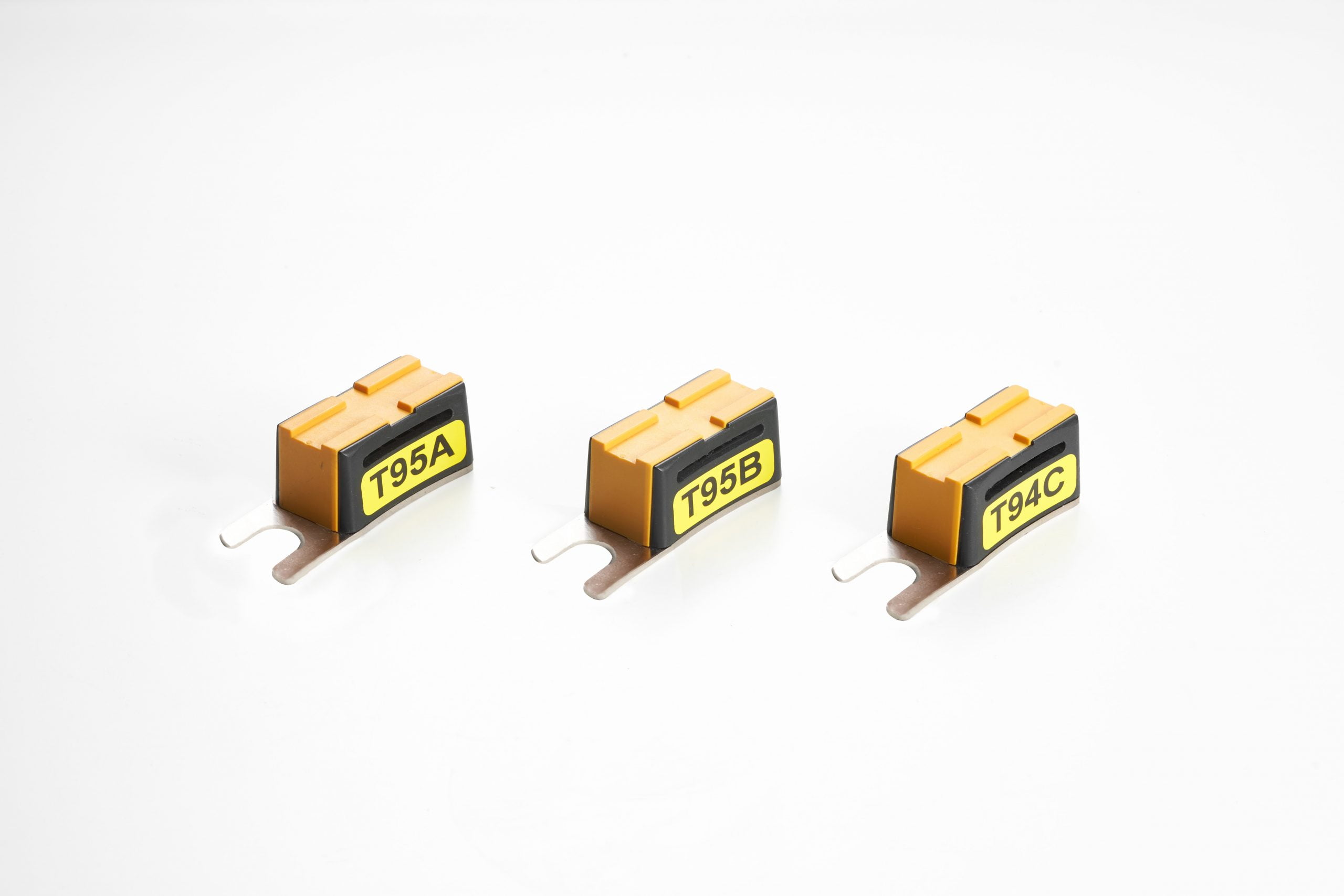
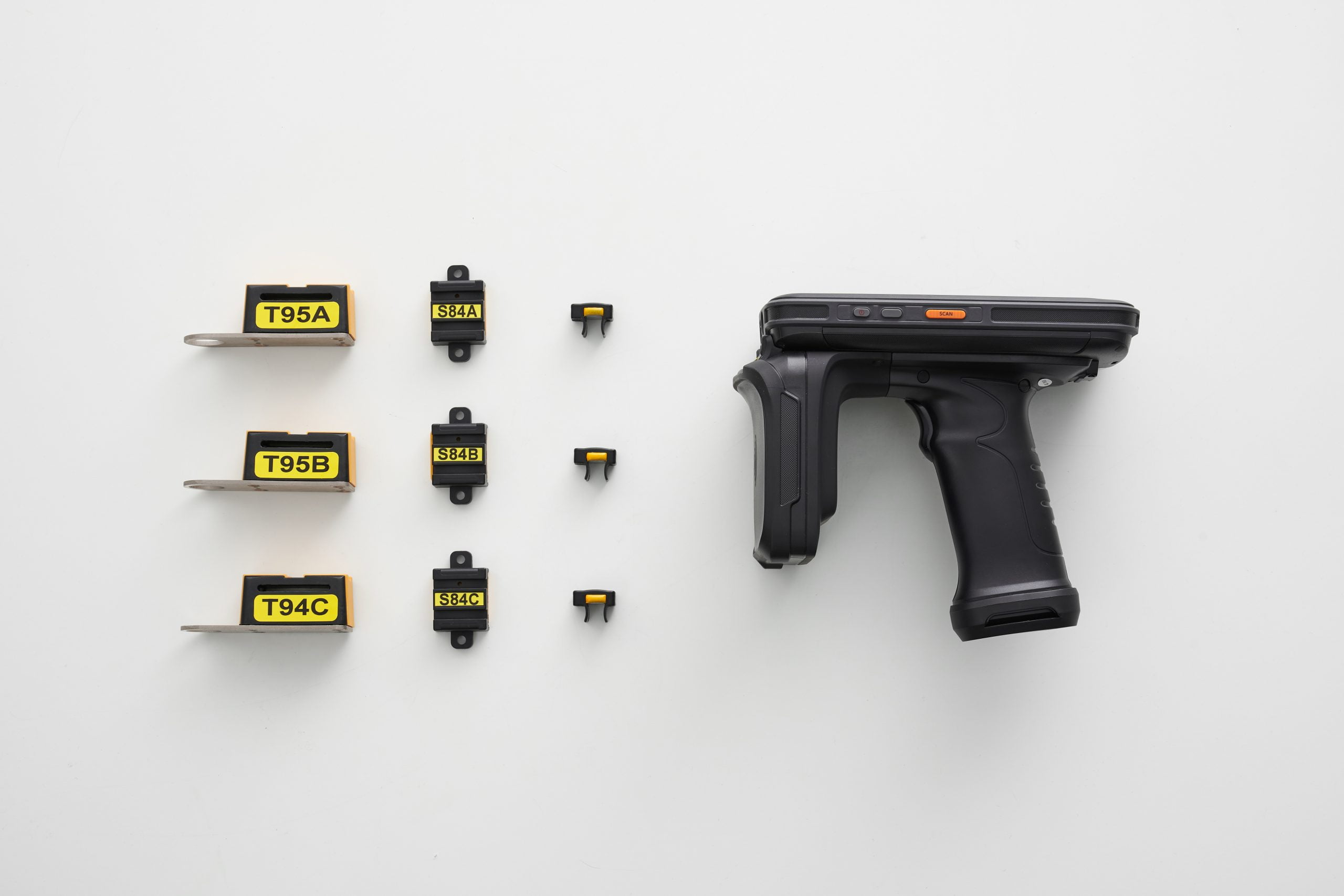
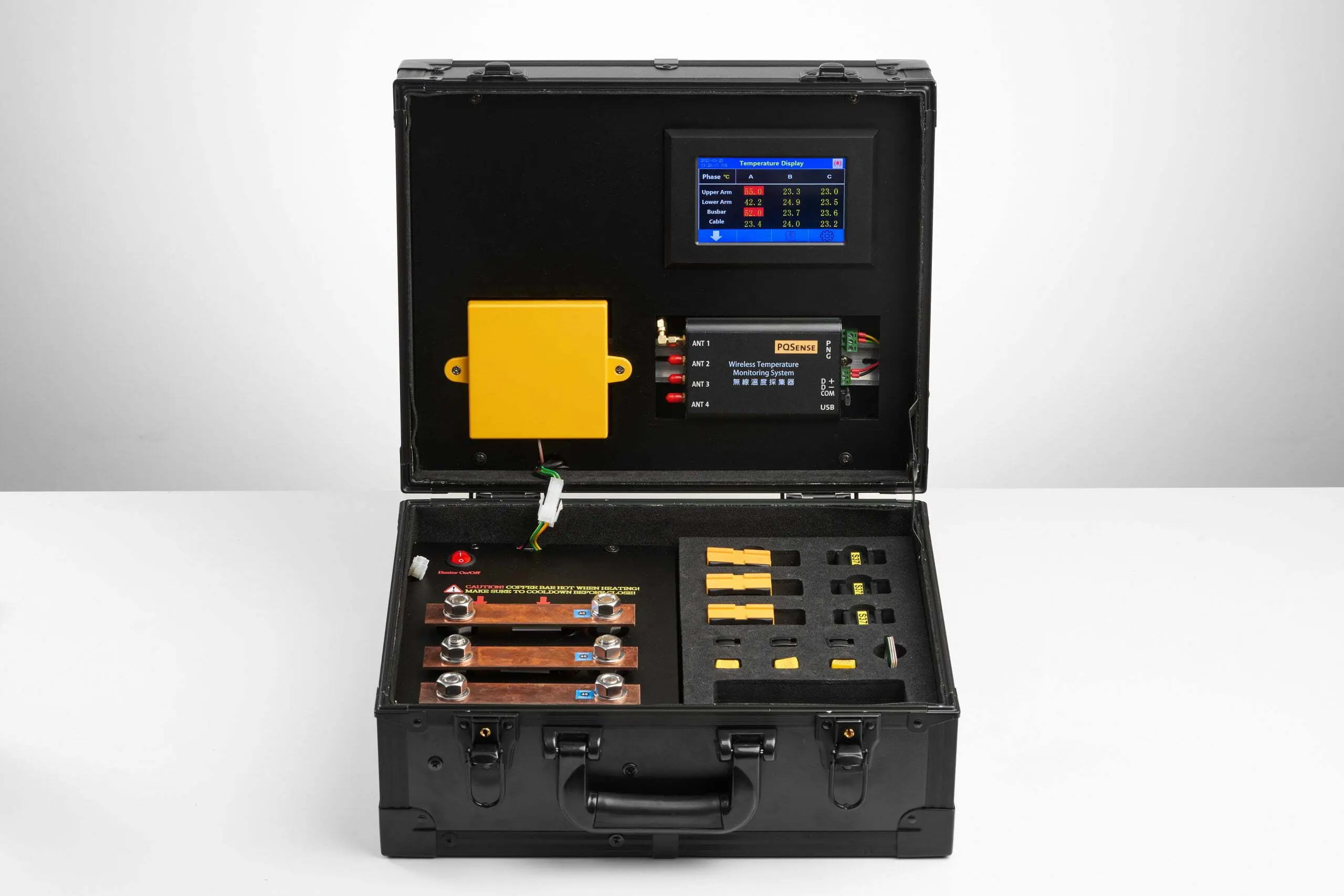
Fixed RFID monitoring can supplement connection data between inspections according to the collection and retention settings. Sensors and antennas must be configured for the cabinet compartments. Verify that the designated measurement points remain readable with cabinet doors closed and covers in place, and that data updates as configured. A reading obtained only with the door open during installation is not sufficient.
How can a temperature baseline be rebuilt after a load change?
After changes to load, the loads served, or cooling operation, record what changed and collect temperature, load, and ambient data for the same connection under the new conditions. Even new equipment without a history of overheating can begin building reference data during normal operation. Keep earlier records, but label the operating conditions to which they apply so that dissimilar conditions are not compared directly. For comparing and interpreting connection temperatures, see the “Equipment Condition Monitoring: Which Temperature Changes Warrant Inspection?” section of Industrial Temperature Monitoring: Heat Sources, Methods and Deployment Decisions.
For an overview of monitoring priorities across data center power distribution equipment, see “Which Power Distribution Equipment and Hotspots Should Data Centers and Semiconductor Fabs Monitor? A Complete Temperature Monitoring Guide” .
PQSense Solution Specifications at a Glance
| Item | Specification |
|---|---|
| System components | Battery-free RFID temperature sensors, temperature-monitoring antennas, and a fixed temperature reader. |
| Power supply | The sensors are battery-free; the fixed reader requires an external power supply. |
| Suitable measurement points | Suitable copper busbar joints, circuit breaker contacts, or cable connections, depending on the sensor model. |
| Data interface | The fixed reader supports RS485 / Modbus RTU. Connection to the existing platform and responsibility for alerts must be confirmed during deployment. |
| Sensor measurement range and accuracy | Sensor models with published specifications: −20 to 125°C; accuracy ±2°C. |
| Deployment track record | According to PQSense’s October 2026 deployment reference, more than 16,000 systems have been deployed across more than 300 sites in 17 countries since 2017. About PQSense |
For specifications and models, see PQSense Products.
Contact us to discuss electrical connection monitoring after changes in AI loads.
FAQ
Do liquid-cooled racks still need electrical connection monitoring?
This requires a separate assessment. Liquid cooling removes heat from computing components; it does not provide temperature information for upstream power distribution connections. Whether to add connection monitoring still depends on the criticality of the supply equipment, actual load, and existing observation coverage. The power supply to the cooling equipment itself should also be included in the assessment.
Can continuous temperature monitoring replace annual thermographic inspections?
Not as a general rule. Continuous temperature monitoring provides time-series data for instrumented connections, while thermography shows the thermal distribution of surfaces visible during an inspection. Their time and location coverage differ. If the current maintenance plan includes annual thermography, installing sensors alone is not a reason to cancel it. Any change to the inspection method or frequency should still be assessed against applicable standards, manufacturer recommendations, and equipment condition.
Can continuous temperature monitoring provide early warning of every electrical fault?
No. It provides thermal-condition information from instrumented connections and is suited to tracking problems with observable temperature rises. Unmonitored locations and faults without recognizable thermal signs still require other monitoring, protection, and maintenance measures.
Reference: IEEE 2969-2025 Guide for Continuous Thermal Monitoring of Switchgear and Motor Control Centers.