









A Substation Fire That Shut Down an International Airport
On March 21, 2025, a fire broke out at a substation near London Heathrow Airport. The cause — reported as an electrical fault inside high-voltage equipment — quickly escalated, triggering power outages across multiple terminals and disrupting thousands of flights over several days.
The incident wasn’t caused by extreme weather, a cyberattack, or equipment beyond its rated capacity. It was an electrical fault — the kind that builds over days or weeks as connections degrade, resistance increases, and heat accumulates inside equipment that appears to be running normally.
Heat Is a Message, Not Just a Side Effect
From years of deploying temperature monitoring inside switchgear and substations worldwide, we’ve observed a consistent pattern: electrical failures are almost always preceded by abnormal temperature rise. The signs appear long before any smoke, flames, or shutdowns — often weeks in advance.
The temperature increases that precede failure aren’t always dramatic. They’re caused by common, everyday issues that are nearly impossible to detect without continuous monitoring:
Loose Connections and Faulty Contact Points
A poorly crimped cable terminal. A dusty connector. A bolt that has lost torque from thermal cycling. These small flaws generate excessive heat under load as electrical resistance increases at the degraded contact point. In PQSense deployments, we’ve recorded temperatures exceeding 115°C at connections that appeared normal from the outside.
Worn Springs in Circuit Breakers
The springs inside circuit breakers that hold contacts together lose tension over time. When contacts can’t maintain proper pressure, resistance heating occurs — and in severe cases, small electrical arcs form. This can push contact temperatures beyond 100°C, well into the danger zone for insulation breakdown.
Oxidation and Corrosion
Metal contact surfaces oxidize naturally over time, increasing resistance. In coastal or humid environments — like much of the infrastructure around Heathrow — this process accelerates. The resulting heat further speeds oxidation, creating a self-reinforcing degradation cycle.
Why These Faults Go Undetected
The challenge isn’t that these faults are rare — they’re extremely common. The challenge is that they develop inside closed, energized equipment where traditional monitoring can’t reach:
- Infrared cameras require the panel to be open. But the equipment is energized 24/7, and opening it creates arc flash exposure risk.
- Visual inspection shows nothing — a connection at 115°C looks identical to one at 25°C from the outside.
- Periodic inspections (annual or quarterly) capture one moment in time. A fault that develops between inspections progresses undetected until it becomes a failure.
- Battery sensors degrade in the high temperatures (60°C+) where monitoring matters most, creating gaps in coverage at exactly the wrong time.
What Continuous Monitoring Would Have Shown
We don’t know the specific details of the Heathrow substation’s monitoring setup. But we know what continuous temperature monitoring reveals in similar equipment worldwide:
- Days to weeks of warning — temperature trends show gradual rise at failing connections, giving maintenance teams time to plan a controlled intervention
- Phase imbalance detection — when one phase runs hotter than the other two at the same junction, it indicates a developing fault on that specific connection
- Rate-of-change alerts — sudden temperature spikes trigger immediate notifications, distinguishing normal load variation from abnormal behavior
- Historical baseline — trend data establishes what “normal” looks like for each connection point, making deviations obvious
The Case for Continuous, Passive Monitoring
The Heathrow incident reinforces what the electrical maintenance industry has known for years: periodic inspection is not sufficient for critical infrastructure. The equipment that matters most — substations, main switchgear, bus-tie breakers — needs continuous visibility.
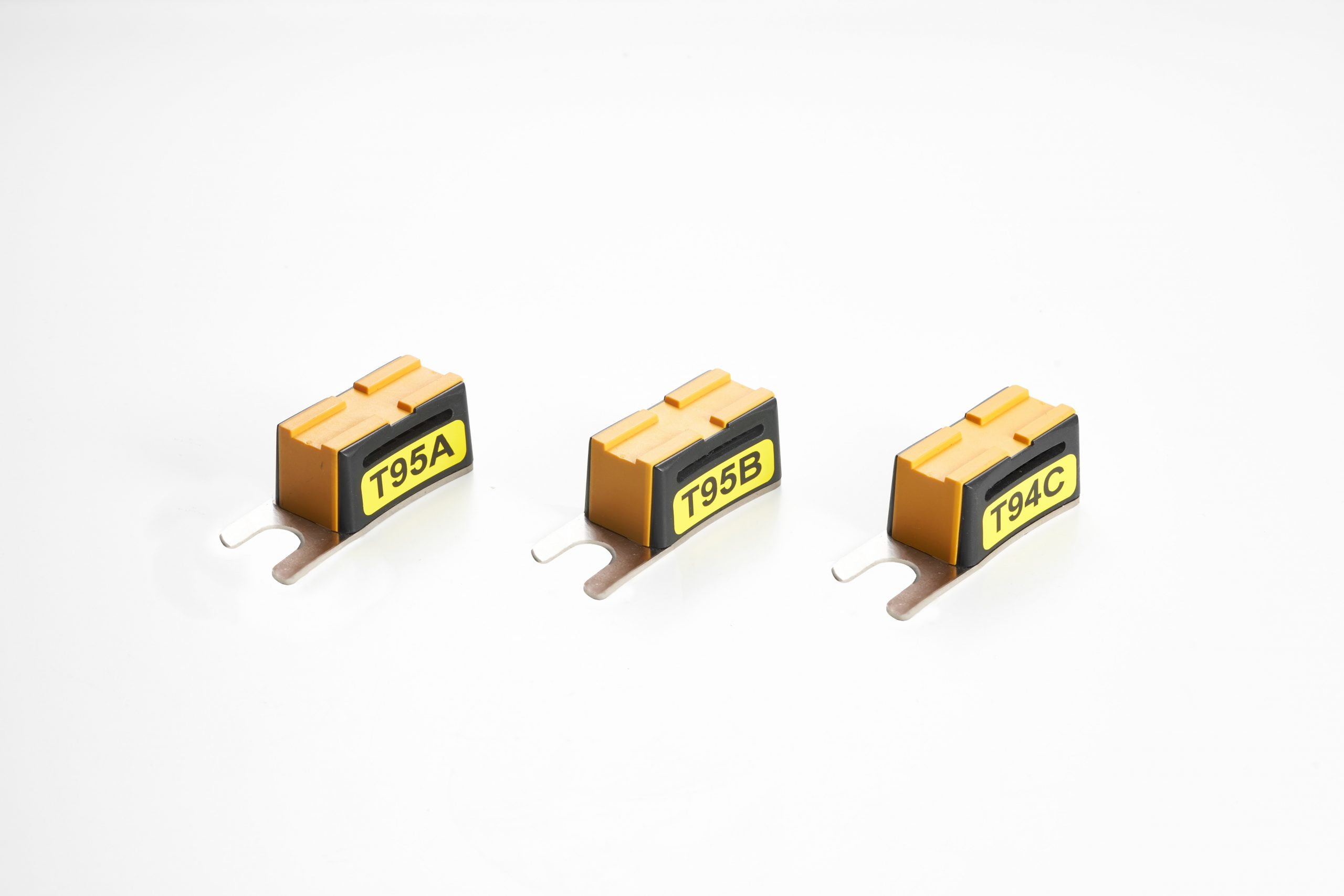
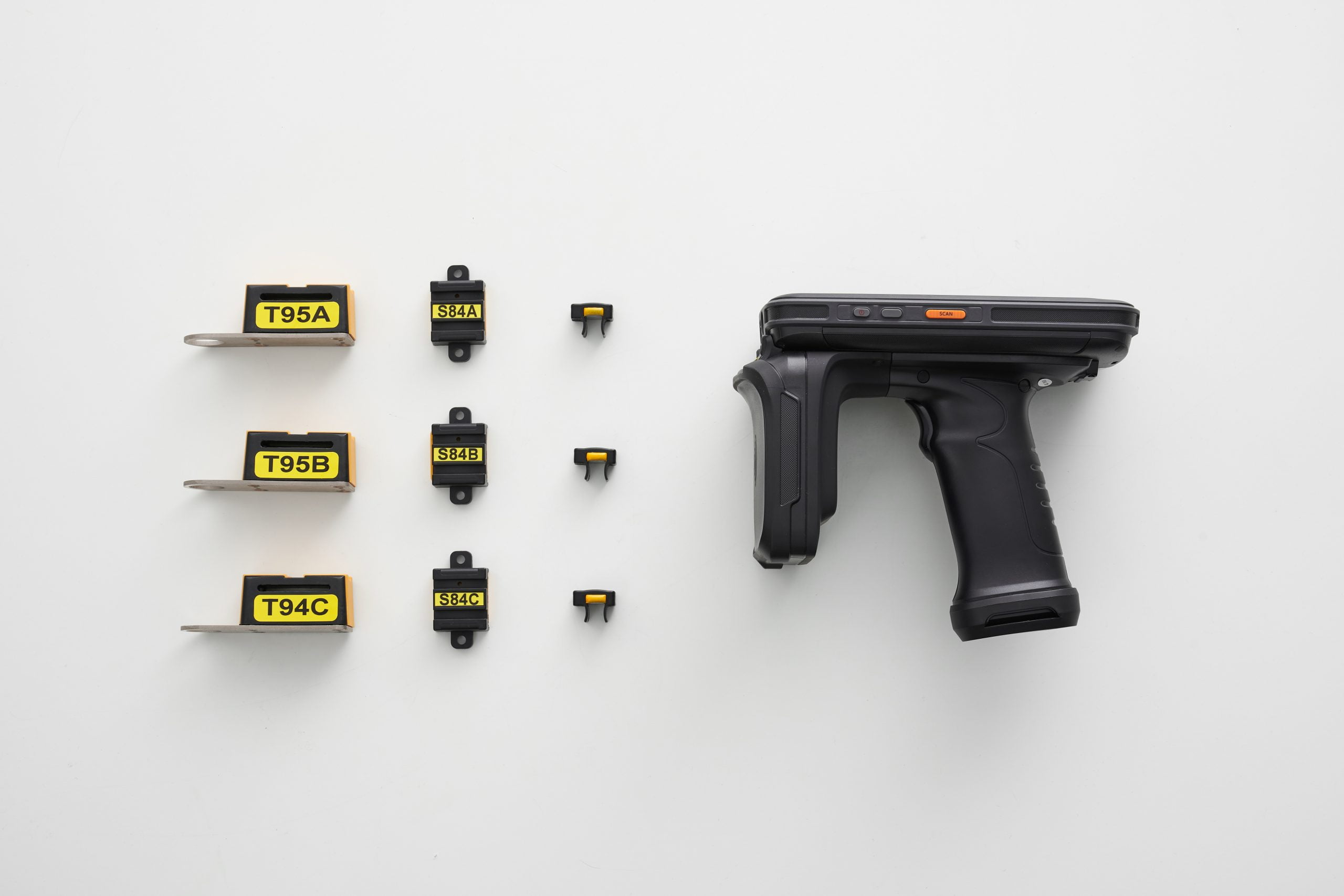
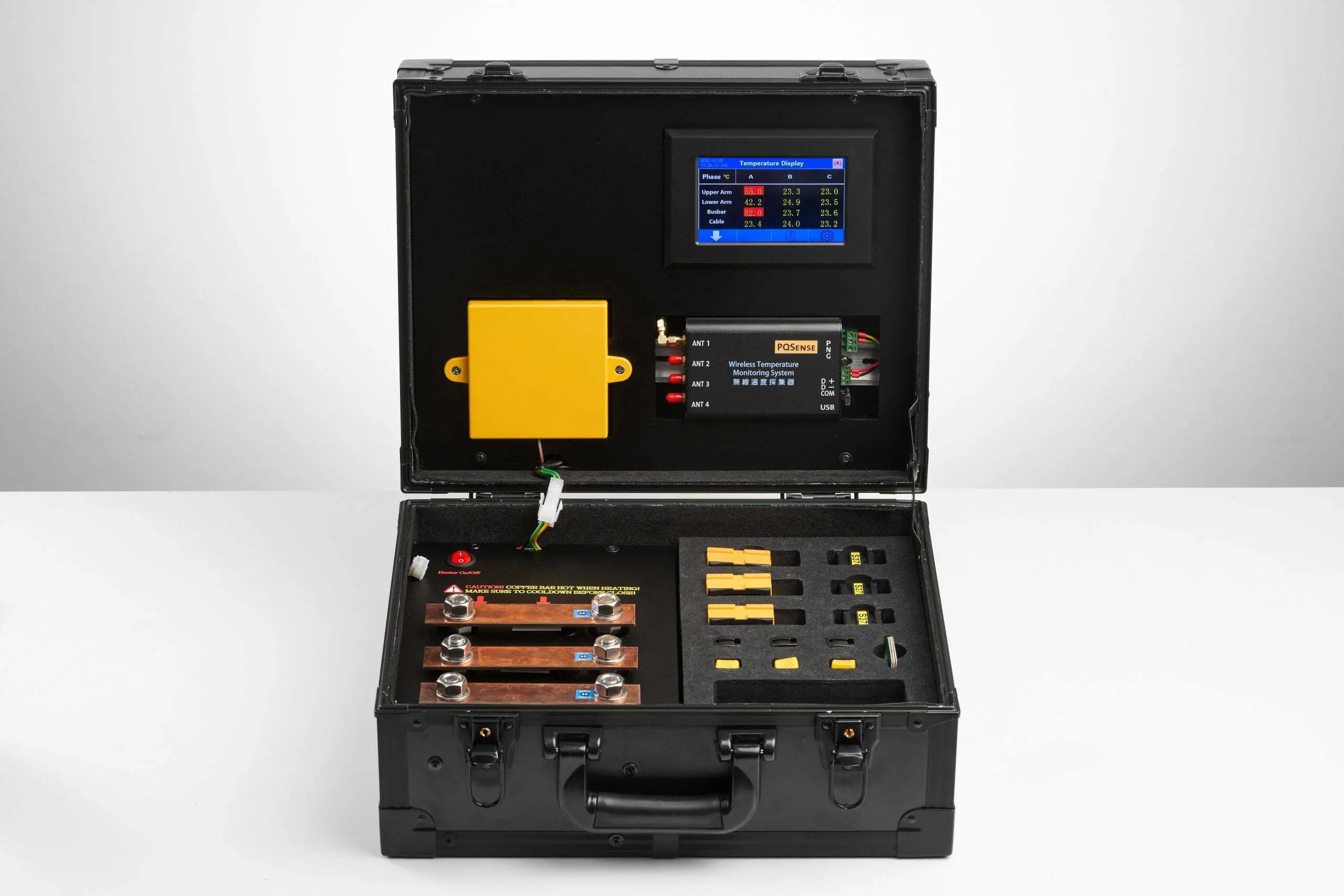
PQSense passive RFID temperature monitoring provides this visibility without batteries, wires, or ongoing maintenance:
- Sensors mounted directly on critical contacts — busbars, cable terminations, breaker jaws
- Battery-free operation — sensors harvest energy from the reader’s RF signal, rated to +125°C
- 24/7 data collection — continuous temperature readings integrated with SCADA or building management systems
- Automated alerts — configurable thresholds for absolute temperature, phase differential, and rate of change
Over 14,000 PQSense systems are deployed globally in substations, switchgear rooms, and critical electrical infrastructure — turning equipment monitoring from reactive to proactive.
Lessons for Facility Operators
- Identify your most critical electrical assets — which panels, if they failed, would cause the most disruption?
- Evaluate your current monitoring coverage — are you relying on annual IR scans for equipment that runs 8,760 hours per year?
- Start with the highest-risk panels — main incomers, bus-ties, and panels serving critical loads
- Choose monitoring that works continuously — the Heathrow fire didn’t wait for the next scheduled inspection