









Fires and Explosions Rarely Start with Visible Warning Signs
In a chemical plant, the most dangerous failures begin quietly. A loose contact inside a switchgear panel. A worn spring in a circuit breaker. A degraded fuse clamp generating a few extra degrees of heat under load. These small defects are invisible during normal operation — but in an environment where high-voltage electrical systems operate alongside flammable chemicals, undetected heat can trigger catastrophic consequences.
Chemical plants face a unique combination of risks that make continuous temperature monitoring not just valuable, but essential for safe operation.
The Unique Risk Profile of Chemical Plants
High Voltage and Flammable Materials in Close Proximity
Chemical plants operate high-current electrical distribution systems in the same facilities as flammable liquids, gases, and dust. A hotspot in a switchgear panel that would cause an outage in a normal factory could trigger an explosion in a chemical plant. The margin between “degraded connection” and “ignition source” is dangerously thin.
Aging Electrical Systems Without Space for Wired Sensors
Many chemical plants operate electrical equipment that is decades old. These panels were not designed to accommodate internal temperature sensors. Running wires through medium-voltage panels creates insulation clearance violations and new failure modes — exactly the opposite of what a safety improvement should do.
Overheating in Process-Critical Equipment
Beyond switchgear, chemical plants rely on heat exchangers, cooling loops, and reactor temperature control systems where even small deviations can destabilize process chemistry. Electrical overheating in the distribution feeding these systems can cause cascading failures.
Combustible Atmospheres
Some areas of chemical plants contain combustible vapors or dust that may ignite at temperatures just a few degrees above normal operating conditions. Traditional battery-powered monitoring may itself be restricted in hazardous classified areas.
Limited Access for Inspection
Many electrical panels in chemical plants are in restricted access zones. Manual IR inspections require permits, escorts, and arc flash PPE — creating barriers to the frequent inspection these high-risk environments need.
Why Routine IR Scans Are Not Enough
Most chemical plants conduct periodic infrared thermography as part of their maintenance program. While valuable as a baseline check, IR inspections have critical limitations in chemical plant environments:
- Panel access required — opening energized panels in chemical plants introduces both arc flash and hazardous atmosphere risks
- Insulation blocks IR — boot-covered connections and insulated busbars are invisible to thermal cameras
- Point-in-time snapshot — an annual inspection captures one moment out of 8,760 hours. Thermal degradation between inspections goes undetected
- Load-dependent — thermal patterns change with production load. A scan at 60% load may miss overheating that occurs at peak demand
Passive RFID: Continuous Monitoring Without Adding Risk
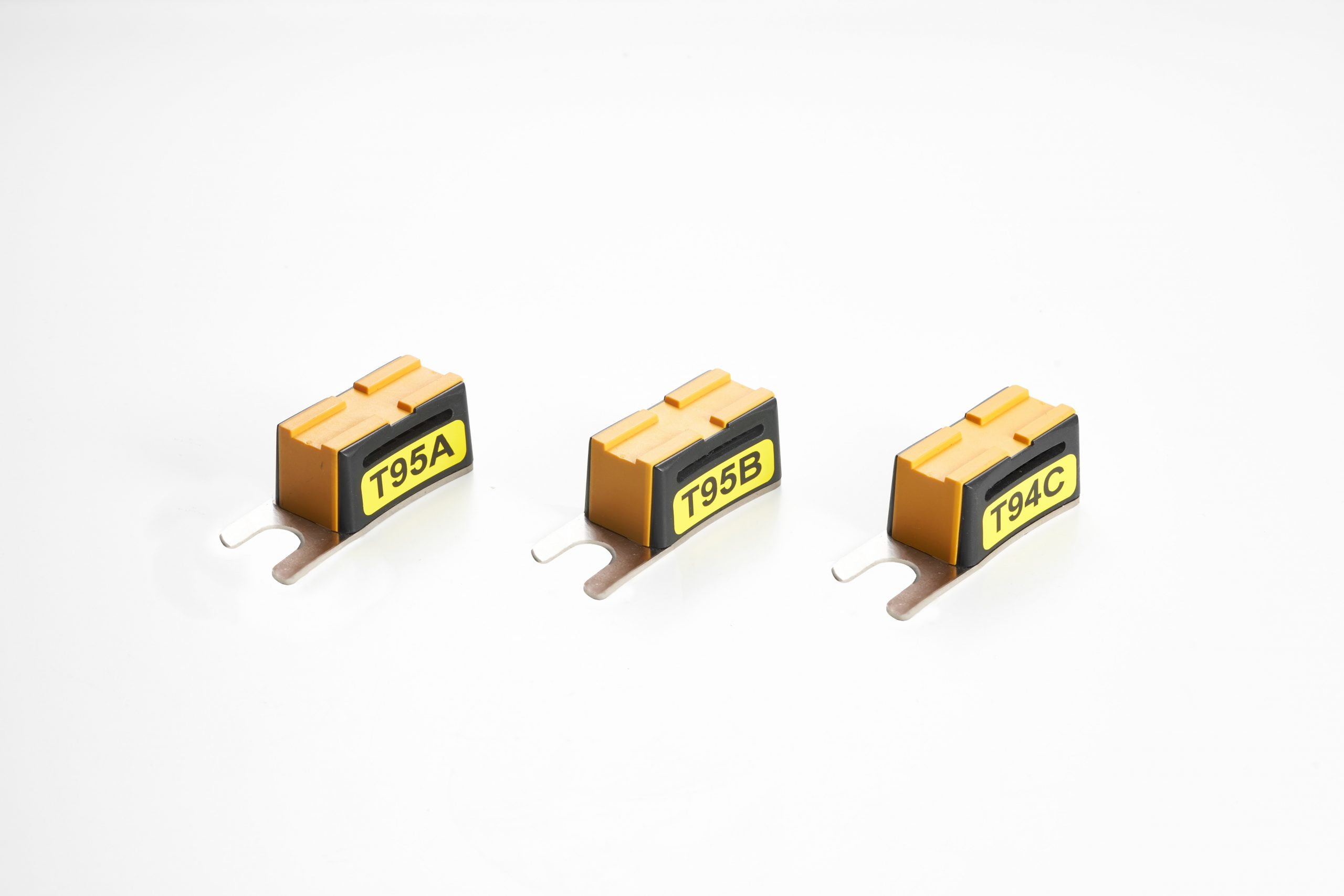
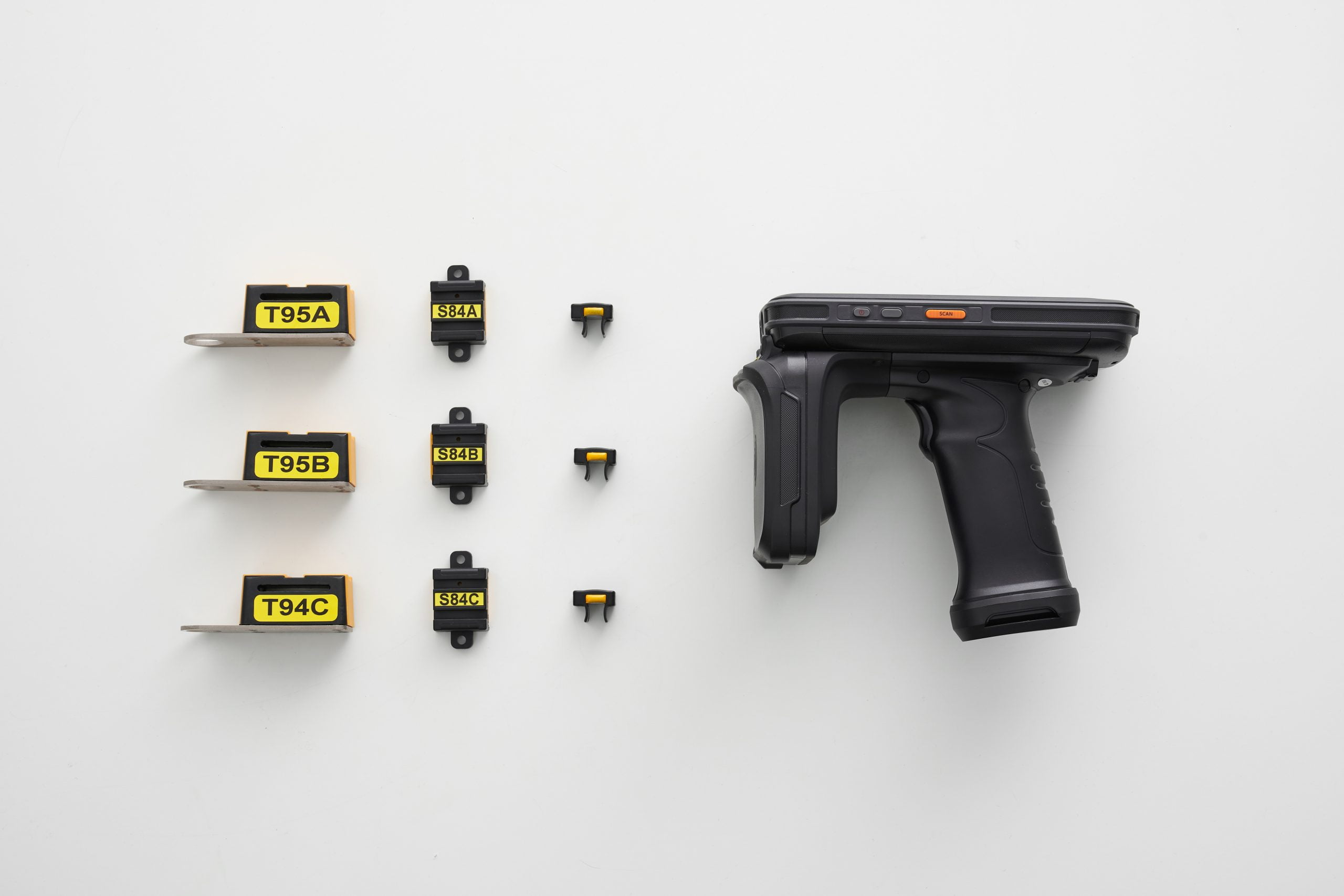
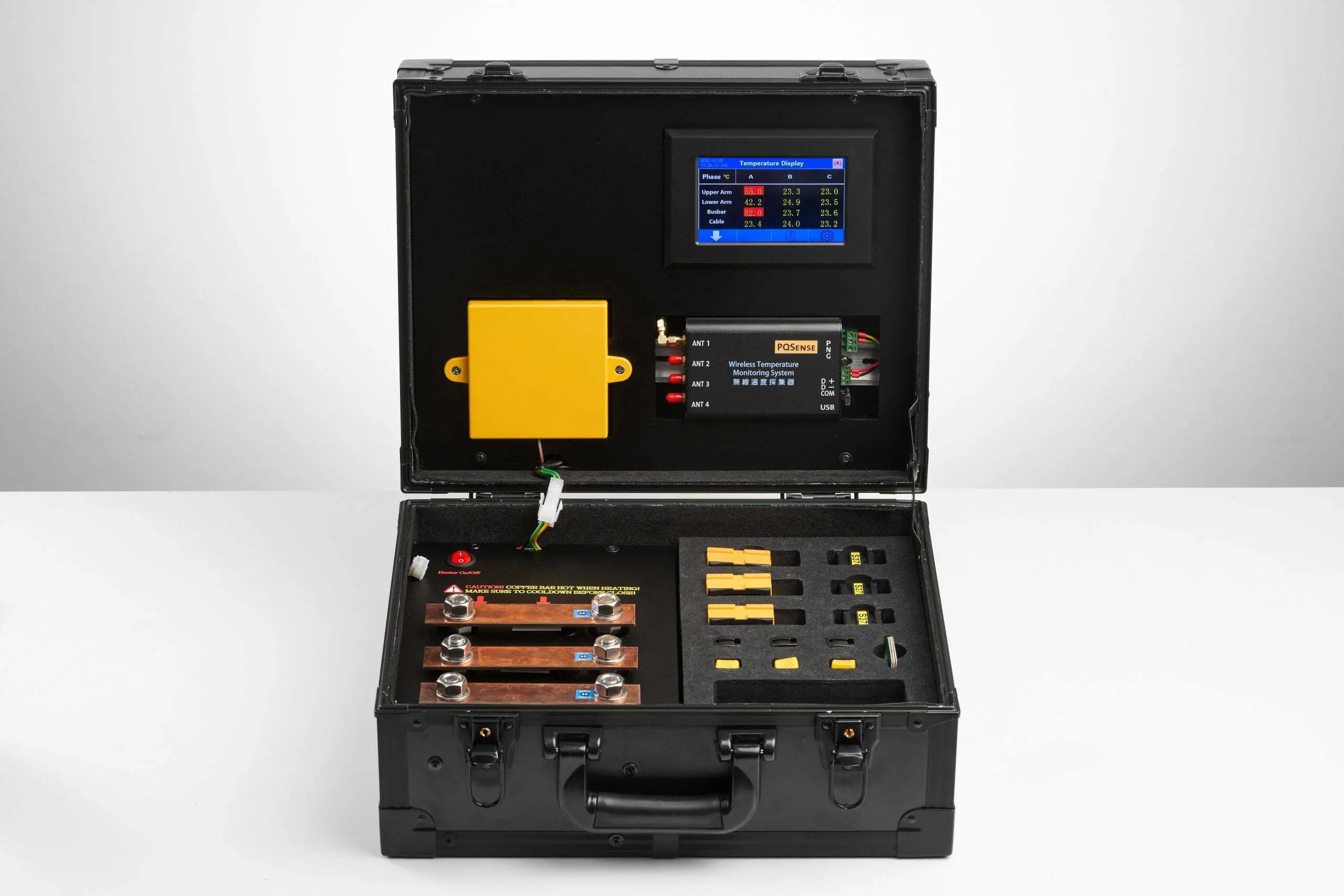
PQSense passive RFID temperature sensors are designed for exactly these conditions. The key advantages for chemical plant environments:
Battery-Free — No Ignition Risk
Passive RFID sensors contain no battery, no stored energy, and no active electronics. They harvest energy from the reader’s RF signal only when being read. This eliminates the battery-related safety concerns that restrict active wireless sensors in hazardous areas.
No Wires — No Insulation Violations
Sensors mount directly on connection points with no cables running through the panel. This preserves the insulation coordination of the original equipment design — critical for both electrical safety and hazardous area compliance.
Zero Maintenance — No Access Required After Installation
Once installed during a scheduled outage (approximately 30 minutes per panel), no battery replacement, recalibration, or panel opening for sensor maintenance is required.
24/7 Continuous Monitoring
The reader polls each sensor continuously, building trend data that reveals degradation patterns long before they reach dangerous levels. Temperature thresholds trigger automated alerts through your existing SCADA or DCS.
What to Monitor in a Chemical Plant
| Equipment | Monitoring Points | What It Detects |
|---|---|---|
| MV switchgear | Busbar joints, cable terminations, breaker contacts | Loose connections, contact degradation, overloading |
| Motor control centers | Starter contacts, overload relays, feeder terminals | Motor circuit degradation, unbalanced loads |
| Power factor capacitors | Capacitor terminals, switching contacts | Capacitor aging, contact deterioration |
| Transformer connections | LV bushing terminals, tap changer contacts | Connection loosening, contact resistance rise |
| Distribution panels | Main bus, feeder breakers, fuse holders | Overloaded circuits, degraded connections |
Key Specifications
| Parameter | Value |
|---|---|
| Accuracy | ±2°C |
| Temperature range | -20°C to +125°C |
| Power source | None (passive RF energy harvest) |
| Read range | 0.8–3 m |
| Communication | RS485 / Modbus RTU → SCADA/DCS |
| Maintenance | None |
Getting Started
PQSense offers on-site hazardous area assessments to identify the highest-risk electrical equipment in your chemical plant and recommend sensor configurations that align with your facility’s safety requirements and classification zones.