


AI Data Center
AI 資料中心如何規劃配電溫度監測?設備範圍與設計重點
高功率機櫃需要重新確認各供電迴路的設計電流、容量與備援安排。了解 AI 資料中心的配電分層、要先選哪些設備納入溫度監測,以及測點、天線與驗收條件在設計階段要確認什麼。

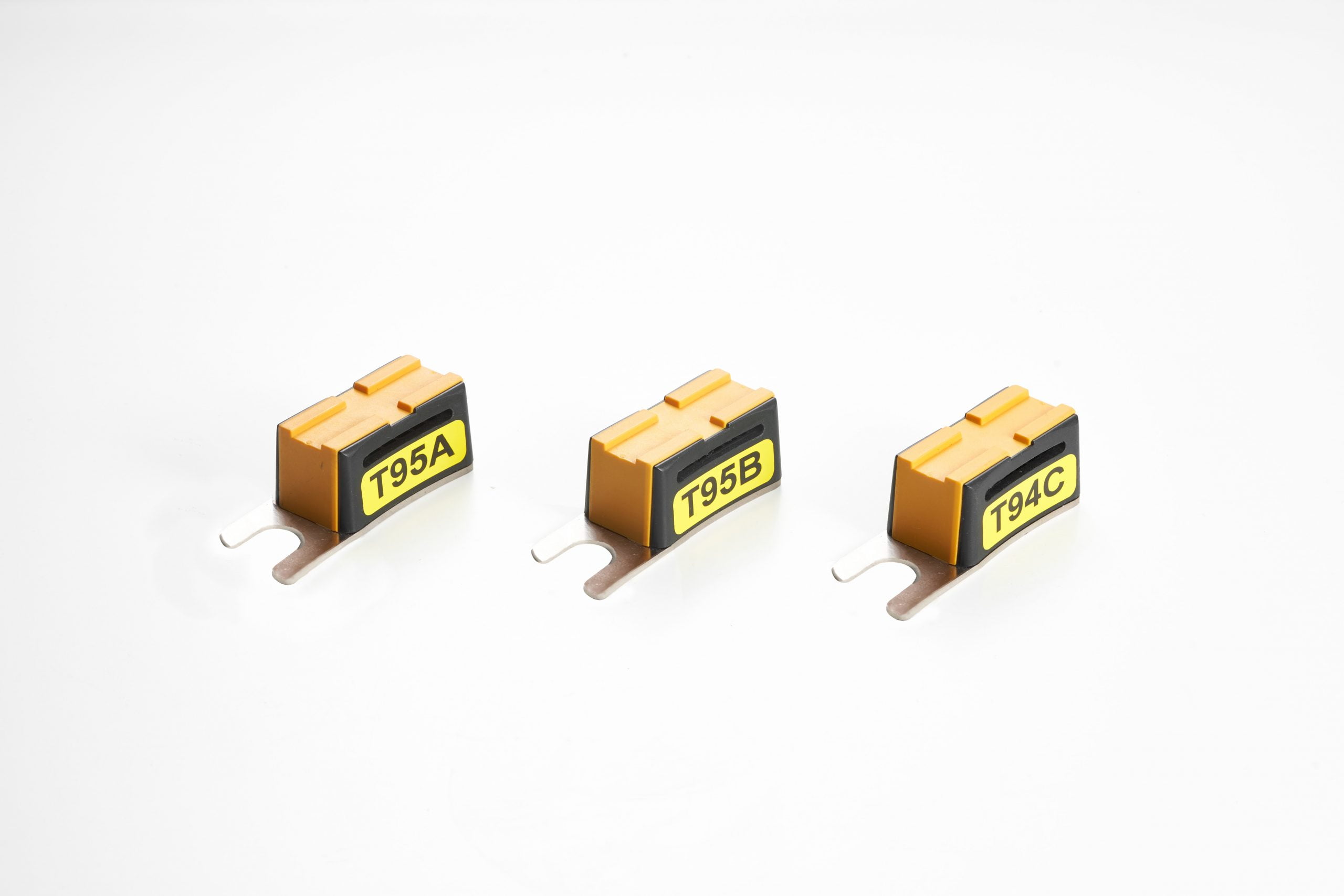




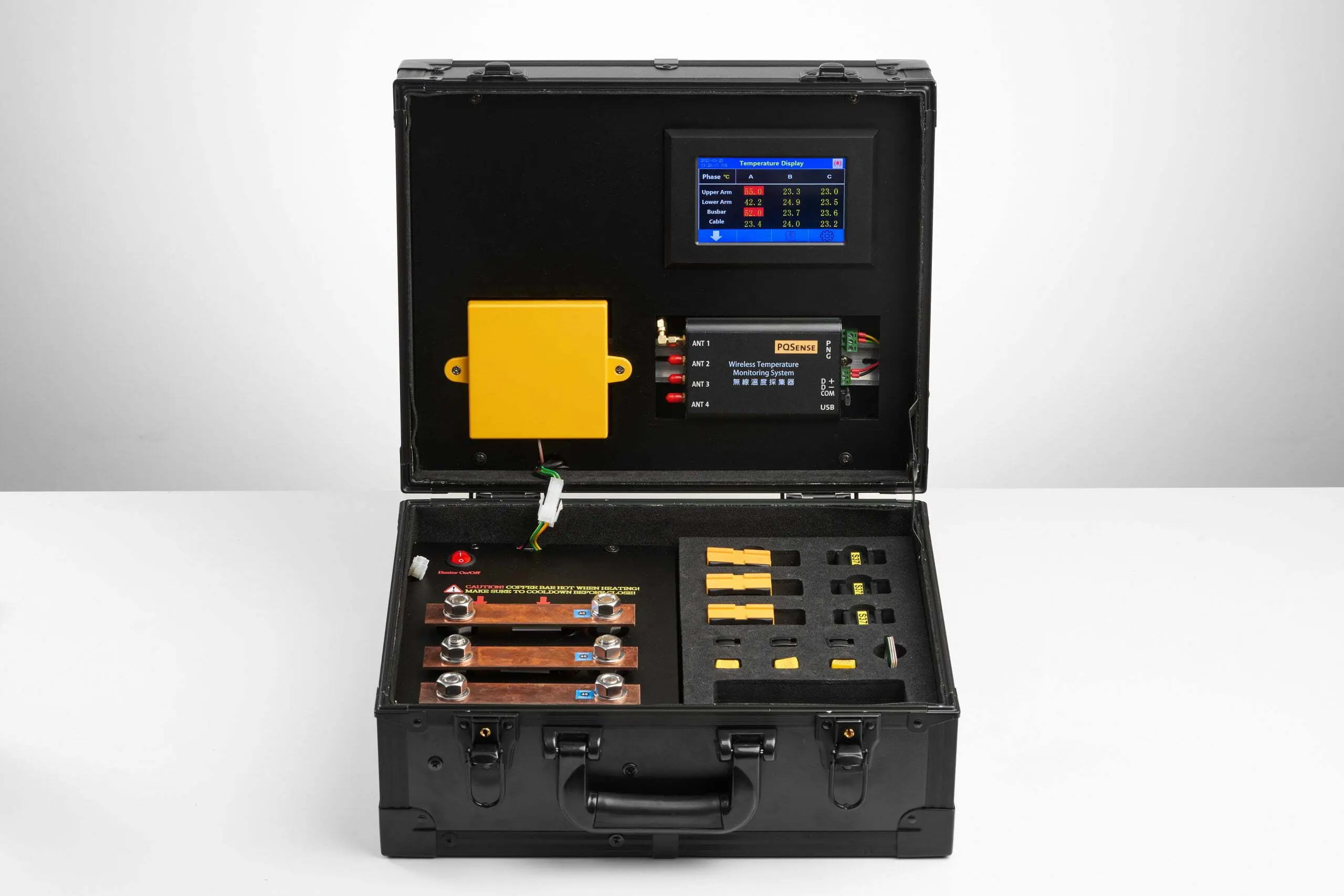


PQSENSE temperature monitoring equipment is designed to address this critical challenge. Miniaturized wireless temperature sensors are installed directly at key heat-generating points inside the switchgear, such as circuit breaker contacts, cable terminals, and busbars, enabling real-time, high-precision temperature monitoring.


PQSENSE temperature monitoring solutions provide ideal wireless temperature monitoring for RMU switches, cable terminations, and busbars.


PQSENSE temperature monitoring solutions provide passive wireless monitoring for transformers, particularly for critical heat-generating points such as bushings and terminals on oil-immersed or dry-type transformers.


PQSENSE temperature monitoring equipment provides cost-effective early warning monitoring for low-voltage environments.


高功率機櫃需要重新確認各供電迴路的設計電流、容量與備援安排。了解 AI 資料中心的配電分層、要先選哪些設備納入溫度監測,以及測點、天線與驗收條件在設計階段要確認什麼。
高功率機櫃需要重新確認各供電迴路的設計電流、容量與備援安排。了解 AI 資料中心的配電分層、要先選哪些設備納入溫度監測,以及測點、天線與驗收條件在設計階段要確認什麼。

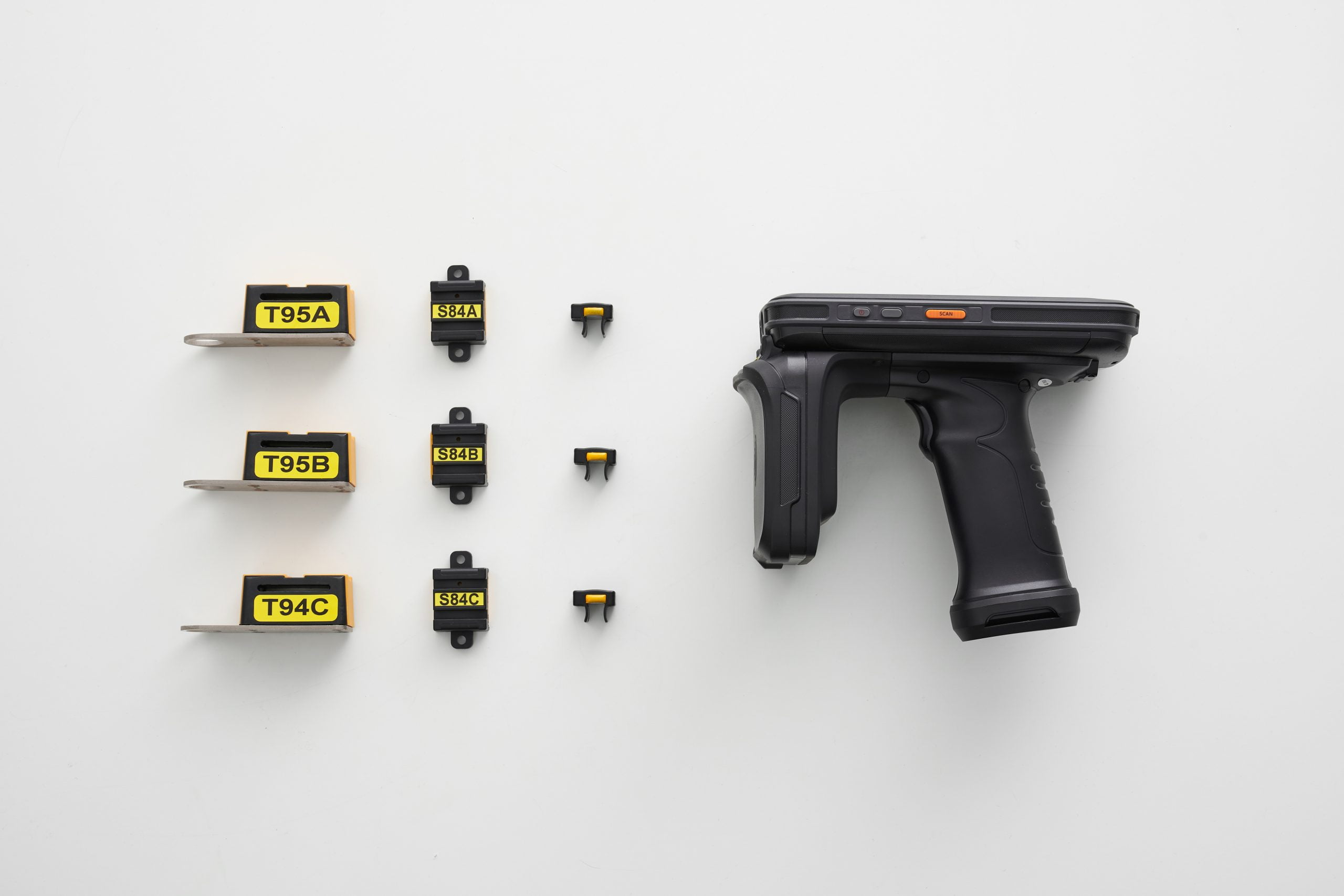
The PQSense handheld wireless temperature monitoring system lets inspectors scan multiple installed battery-free RFID sensors within effective RF range, without aiming at each point or directly viewing it. Readings can be viewed and recorded through a mobile app, making the system suitable for repeated checks of fixed measurement points with less manual recording.
Infrared thermal imaging has long been a key industrial inspection method for displaying temperature distribution across visible surfaces. RFID sensors can complement it at contacts that are difficult to see directly or fixed points that need repeated tracking.
PQSense brings a more efficient approach to inspection workflows. Passive, battery-free RFID sensors provide multi-point temperature data during inspections without aiming at or directly viewing each sensor, or running signal cables to individual sensing points.
Deployment can be assessed for capacitors, lithium battery energy storage, and environmental hotspots according to measurement needs, integrating scanning and recording into inspection routines.
PQSense readings do not require touching or directly viewing each sensor. Sensors must still be installed at suitable locations for the measurement purpose.
Install sensors at key hotspots, such as capacitor terminals, lithium battery modules, or environmental monitoring points, then scan them with a handheld device within effective RF range during inspections.
Multi-point scanning reduces repeated aiming, transcription, and record organization. Along with faster collection, it can complement infrared measurements at some obstructed points.
Watch the PQSense handheld demonstration to see multi-point scanning, point readings in the app, and cloud records in the operating workflow.
PQSense’s capabilities are built on its sensor technology:
The following applications can be assessed according to equipment conditions to help identify abnormal temperatures:
In these settings, PQSense supports risk tracking through digital records. Handheld readings represent the moment of scanning. Consider fixed equipment when ongoing monitoring is needed.
When combining handheld readings with infrared inspections or fixed equipment, see how handheld inspections and fixed continuous monitoring divide the work to understand the data each method provides and the tasks it supports.
Multi-point scanning, fixed point identification, and digital records reduce repetitive tasks and provide data for follow-up checks:
Consider PQSense handheld monitoring if you need periodic readings from multiple fixed points and want to reduce repeated aiming and manual recording. Start with point locations, inspection routes, and record requirements. The team can then help confirm sensor selection and RF reading configuration. Add fixed monitoring if changes need to be tracked when no inspector is present.
Contact PQSense to discuss a handheld inspection configuration for your site.

How can semiconductor fabs use passive RFID temperature monitoring for power distribution? Explore equipment selection, fixed and handheld configurations, cross-team alert handover, and PQSense installation during outages and acceptance checks to connect temperature data with routine maintenance.

Discover how PQSense’s Passive Wireless Temperature Monitoring System delivers real-time, battery-free monitoring for switchgear, substations, and critical power systems—reducing risk and eliminating maintenance.

Discover how Smart Home Insurance providers can prevent electrical fires with PQSense’s real-time monitoring sensors. Proactive protection saves costs, reduces risk, and builds customer trust.

Discover the PQSense handheld temperature monitoring system—powered by RFID, battery-free, and designed for fast, accurate industrial inspections. Replace infrared guns with smarter, real-time scanning.
Tel: +886 (02) 27350332
Fax: +886 (02) 27350329
Email: [email protected]
Address: 8F ,No. 110, Section 2, Keelung Rd, Taipei

| Cookie | Duration | Description |
|---|---|---|
| cookielawinfo-checkbox-analytics | 11 months | This cookie is set by GDPR Cookie Consent plugin. The cookie is used to store the user consent for the cookies in the category "Analytics". |
| cookielawinfo-checkbox-functional | 11 months | The cookie is set by GDPR cookie consent to record the user consent for the cookies in the category "Functional". |
| cookielawinfo-checkbox-necessary | 11 months | This cookie is set by GDPR Cookie Consent plugin. The cookies is used to store the user consent for the cookies in the category "Necessary". |
| cookielawinfo-checkbox-others | 11 months | This cookie is set by GDPR Cookie Consent plugin. The cookie is used to store the user consent for the cookies in the category "Other. |
| cookielawinfo-checkbox-performance | 11 months | This cookie is set by GDPR Cookie Consent plugin. The cookie is used to store the user consent for the cookies in the category "Performance". |
| viewed_cookie_policy | 11 months | The cookie is set by the GDPR Cookie Consent plugin and is used to store whether or not user has consented to the use of cookies. It does not store any personal data. |


