FAQ
Temperature Monitoring in Semiconductor Fabs: Which Electrical Connections Should Come First?
Plan temperature monitoring for semiconductor fab

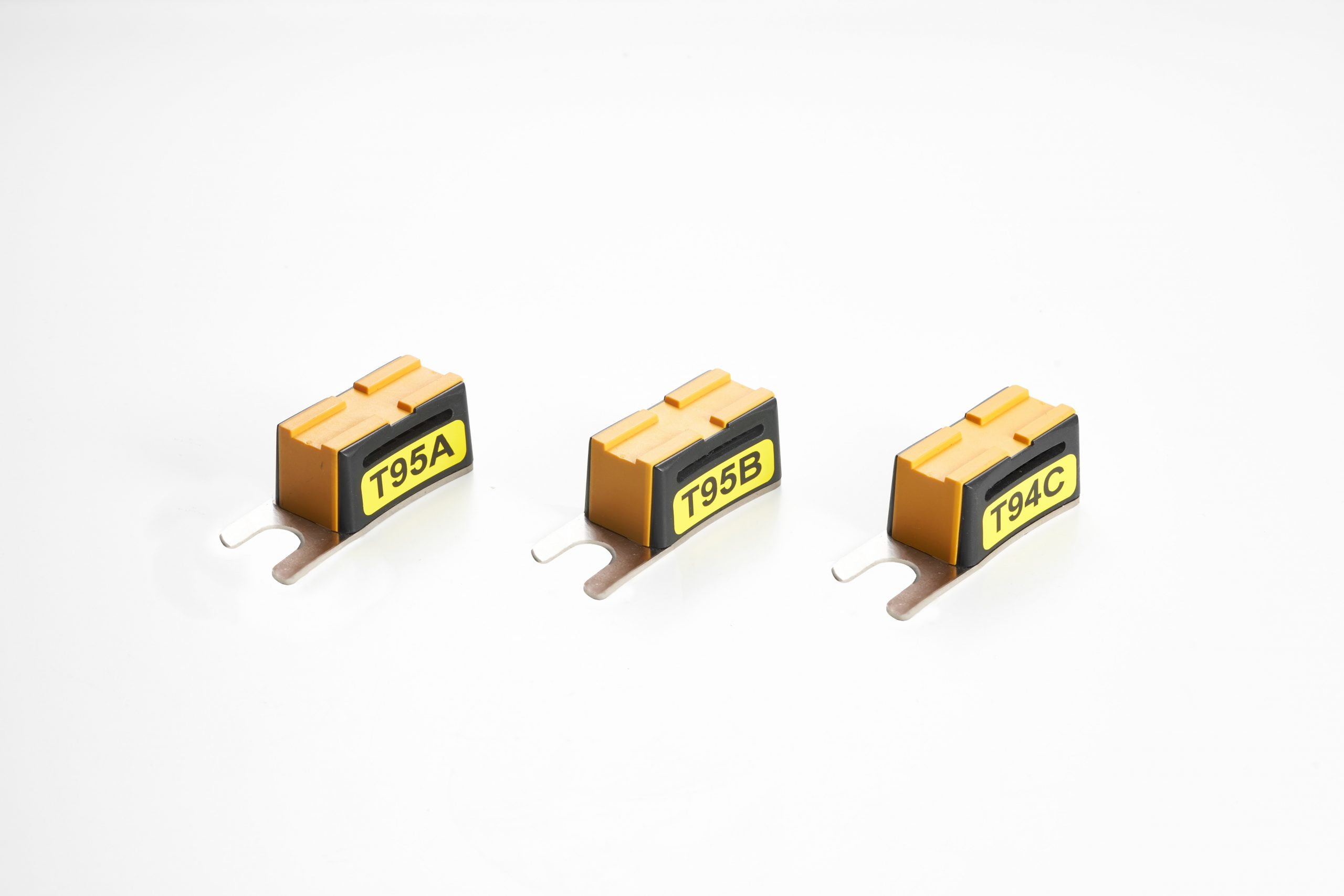


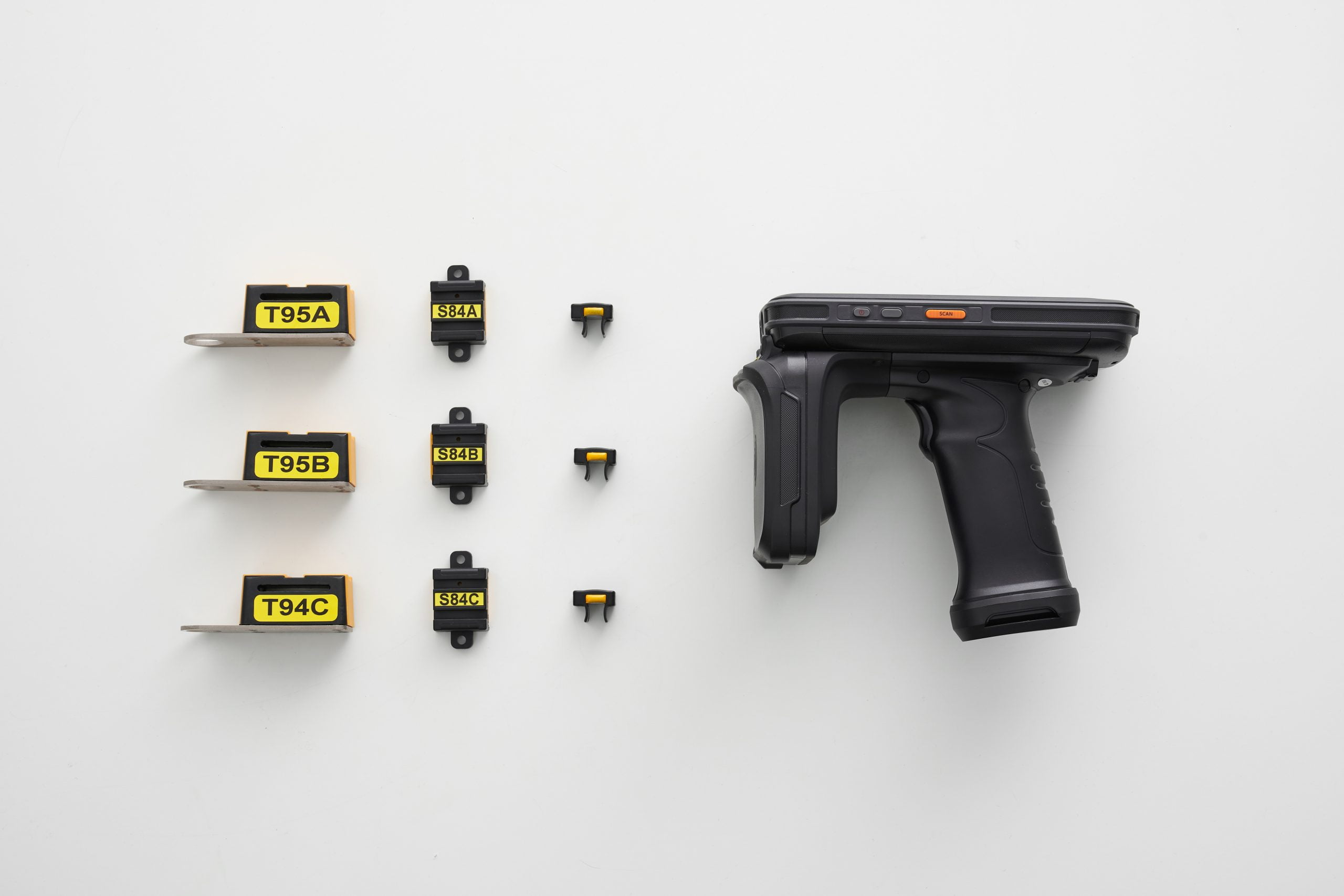


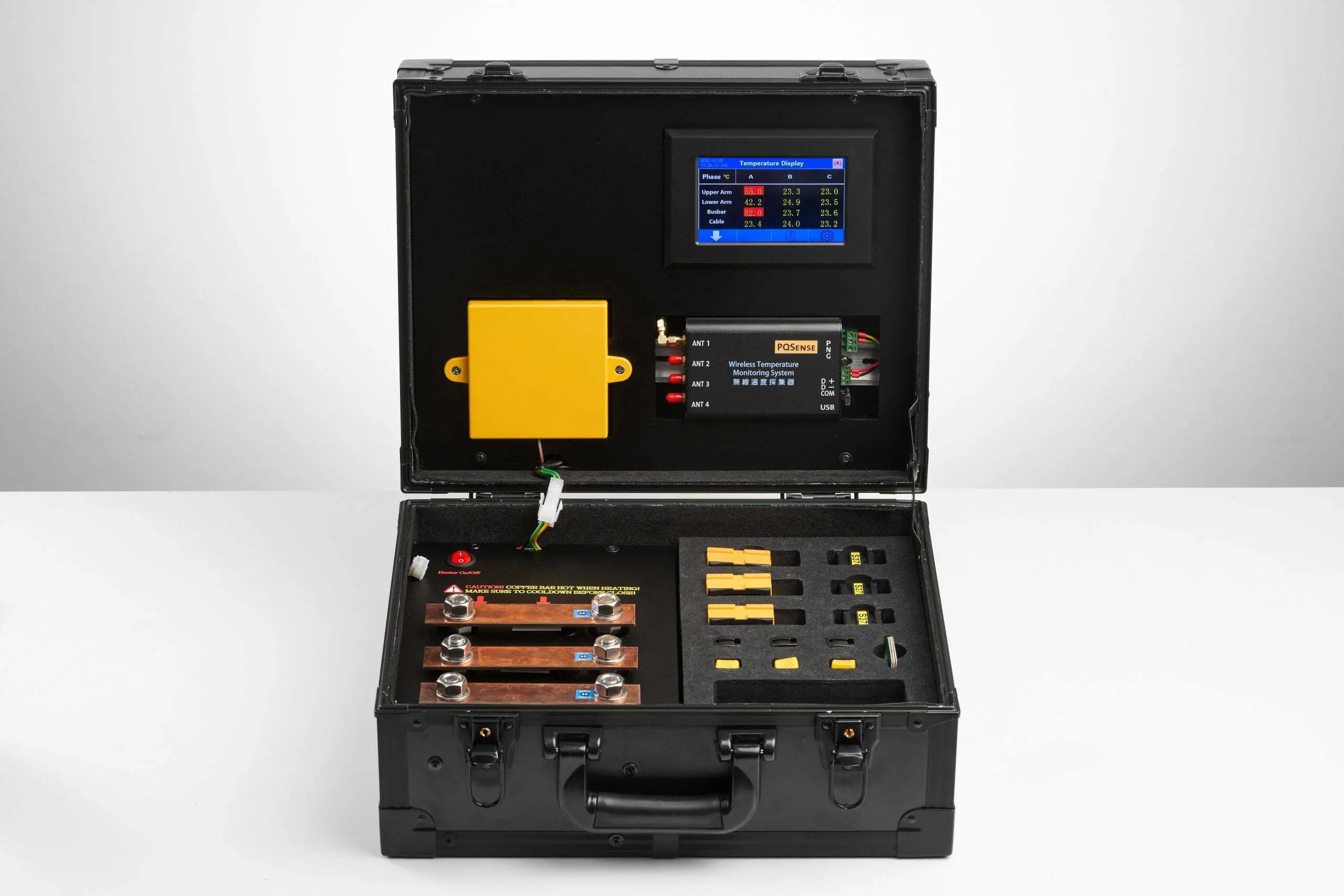


PQSENSE temperature monitoring equipment is designed to address this critical challenge. Miniaturized wireless temperature sensors are installed directly at key heat-generating points inside the switchgear, such as circuit breaker contacts, cable terminals, and busbars, enabling real-time, high-precision temperature monitoring.


PQSENSE temperature monitoring solutions provide ideal wireless temperature monitoring for RMU switches, cable terminations, and busbars.


PQSENSE temperature monitoring solutions provide passive wireless monitoring for transformers, particularly for critical heat-generating points such as bushings and terminals on oil-immersed or dry-type transformers.


PQSENSE temperature monitoring equipment provides cost-effective early warning monitoring for low-voltage environments.


Plan temperature monitoring for semiconductor fab
Plan temperature monitoring for semiconductor fab

Start by identifying whether you need to measure electrical contacts, surfaces, or ambient temperature, then decide whether readings during inspections are sufficient or temperature changes need to be recorded continuously. For power distribution equipment, also consider reliable reading at each point, sensor maintenance access, and whether the data can support troubleshooting and maintenance planning.
Unexpected temperature anomalies can lead to equipment failure, downtime, and financial loss. At distribution panels, cable terminals, and circuit breaker contacts, wireless sensing reduces signal wiring between points and reading equipment and helps obtain temperatures from locations that are difficult to observe directly. Fixed monitoring also provides data between inspections so maintenance personnel can identify changes earlier.
This guide explains:
Sensors measure temperature and transmit data wirelessly to a reader or receiver. Wireless describes the connection between sensing and reading; other equipment in the system may still require power and wiring. A typical system includes:
Evaluate how sensors are powered separately from when data is collected. Battery-free RFID sensors can support either handheld inspections or fixed monitoring.
The choice between active battery-powered sensors and passive RFID sensors depends on measurement point conditions, reading configuration, and ongoing maintenance. Even within one factory, ambient monitoring and electrical contact monitoring may require different solutions.
Battery-powered sensors use their own power source for measurement and wireless transmission. Where points are accessible for maintenance, evaluate sampling frequency, transmission coverage, and platform functions. During procurement, confirm the assumptions behind battery life estimates and whether replacement requires a shutdown or access to difficult equipment locations.
Passive RFID sensors need no battery replacement and are worth considering for electrical contacts that are difficult to maintain. Handheld reading improves multi-point data collection during inspections, while fixed reading suits equipment that needs temperature tracking between visits. Ask the supplier to assess reading range based on enclosure design, sensor positions, and antenna placement.
If you are choosing between handheld and fixed configurations, see when to upgrade from periodic inspections to continuous temperature monitoring and assess inspection gaps, access constraints, and equipment risk.
First identify the location and period you need data for, then compare maintenance needs. Infrared devices provide temperatures from observable surfaces; wireless sensors provide temperatures at installed points. These methods can support different inspection tasks.
| Comparison | Handheld infrared thermometer or thermal camera | Battery-powered wireless sensors | Handheld RFID inspections | Fixed RFID monitoring |
|---|---|---|---|---|
| Measurement target | Thermometers measure a target surface area; cameras show surface temperature distribution within their field of view | The location or environment where sensors are installed | Contacts or locations with installed sensors | Contacts or locations with installed sensors |
| Collection frequency | Personnel take measurements on site | According to sampling and transmission settings | Personnel scan on site | Ongoing collection according to configuration |
| Viewing and reading conditions | Requires a suitable viewing path | Confirm wireless coverage and receiver configuration | Read within effective RF range; no direct view of sensors needed | Plan reading coverage around enclosures and antennas; no direct view of sensors needed |
| Installation and maintenance | Maintain handheld tools, power, and measurement settings | Install sensors and manage batteries and transmission | Install sensors; maintain handheld equipment and inspection records | Install sensors, antennas, and readers; check power and data status |
| Tasks supported | Surface hotspot inspection and follow-up checks | Fixed-point records and platform integration according to product configuration | Multi-point inspections, point identification, and visit records | Trend tracking and alerts between inspections |
Passive RFID eliminates sensor battery replacement and can read installed points that are difficult to view directly. These features reduce some manual inspection and maintenance tasks:
Passive RFID sensors receive energy from the reader’s RF signal and return temperature data without a battery. How the sensor contacts the measurement point depends on product design. Wireless reading is not the same as infrared surface temperature measurement.
The main differences are the power source and reading architecture. Battery-powered sensors operate on their own power; passive RFID sensors rely on energy from the reader. Compare sampling frequency, reading range, and maintenance needs together. Battery-free operation alone does not establish greater reliability in every application.
Consider passive RFID when electrical contacts are difficult to access, battery replacement is inconvenient, and consistent point identification and temperature records are needed. Add fixed acquisition when changes must be tracked between inspections. Base the decision on equipment criticality and data requirements.
Confirm supported reader interfaces, communication protocols, and data mapping before integration. For a configuration using Modbus RTU, for example, verify device addresses, register definitions, and update behavior. Trends, alarms, and data retention depend on the actual acquisition equipment and host system configuration.
Battery-free operation eliminates replacement due to battery depletion; it does not mean unlimited service life. Product design, installation, temperature, and environmental conditions still affect lifespan. Ask the supplier for model specifications, warranty terms, and inspection recommendations.
Assess applications at the equipment and measurement-point level. Electrical connections, process materials, and cleanroom air serve different measurement purposes, even within the same factory, and need appropriate sensing configurations.
Assess the need to monitor contacts or terminals according to equipment structure. Key considerations include sensor position, insulation, environmental suitability, and the ability to obtain data during operation. Fixed acquisition may suit critical power equipment that needs tracking between inspections. Maintenance personnel must still assess the cause of abnormal temperatures alongside equipment condition.
For power reliability, consider distribution panels, cable terminals, and busbar joints supplying production lines. Temperature records can support inspection and maintenance plans. Process temperature control, cleanroom monitoring, and yield management have different measurement requirements and cannot be assessed directly from electrical contact temperatures.
For semiconductor facilities, learn how to reduce downtime risk from overheating in power distribution equipment and connect temperature monitoring with inspections and corrective maintenance.
PQSense focuses on passive RFID wireless temperature monitoring. Battery-free sensors are installed at critical electrical connections and paired with handheld or fixed readers to help maintenance teams obtain point temperatures and records.
See the official PQSense solution demonstrations for handheld scanning and fixed acquisition workflows.
Review the equipment and locations you want to monitor and your current inspection methods. Equipment photos or enclosure information can make the discussion more specific. The team can help assess sensor installation and reading configuration.
Contact PQSense to discuss wireless temperature monitoring for your equipment and maintenance needs.

Discover how PQSense’s Passive Wireless Temperature Monitoring System delivers real-time, battery-free monitoring for switchgear, substations, and critical power systems—reducing risk and eliminating maintenance.

Discover how Smart Home Insurance providers can prevent electrical fires with PQSense’s real-time monitoring sensors. Proactive protection saves costs, reduces risk, and builds customer trust.

Discover the PQSense handheld temperature monitoring system—powered by RFID, battery-free, and designed for fast, accurate industrial inspections. Replace infrared guns with smarter, real-time scanning.

Three key trends shaping temperature monitoring in Industry 4.0: wireless RFID sensors, AI-driven predictive maintenance, and automated compliance reporting.
Tel: +886 (02) 27350332
Fax: +886 (02) 27350329
Email: [email protected]
Address: 8F ,No. 110, Section 2, Keelung Rd, Taipei

| Cookie | Duration | Description |
|---|---|---|
| cookielawinfo-checkbox-analytics | 11 months | This cookie is set by GDPR Cookie Consent plugin. The cookie is used to store the user consent for the cookies in the category "Analytics". |
| cookielawinfo-checkbox-functional | 11 months | The cookie is set by GDPR cookie consent to record the user consent for the cookies in the category "Functional". |
| cookielawinfo-checkbox-necessary | 11 months | This cookie is set by GDPR Cookie Consent plugin. The cookies is used to store the user consent for the cookies in the category "Necessary". |
| cookielawinfo-checkbox-others | 11 months | This cookie is set by GDPR Cookie Consent plugin. The cookie is used to store the user consent for the cookies in the category "Other. |
| cookielawinfo-checkbox-performance | 11 months | This cookie is set by GDPR Cookie Consent plugin. The cookie is used to store the user consent for the cookies in the category "Performance". |
| viewed_cookie_policy | 11 months | The cookie is set by the GDPR Cookie Consent plugin and is used to store whether or not user has consented to the use of cookies. It does not store any personal data. |