


AI Data Center
AI 資料中心如何規劃配電溫度監測?設備範圍與設計重點
高功率機櫃需要重新確認各供電迴路的設計電流、容量與備援安排。了解 AI 資料中心的配電分層、要先選哪些設備納入溫度監測,以及測點、天線與驗收條件在設計階段要確認什麼。

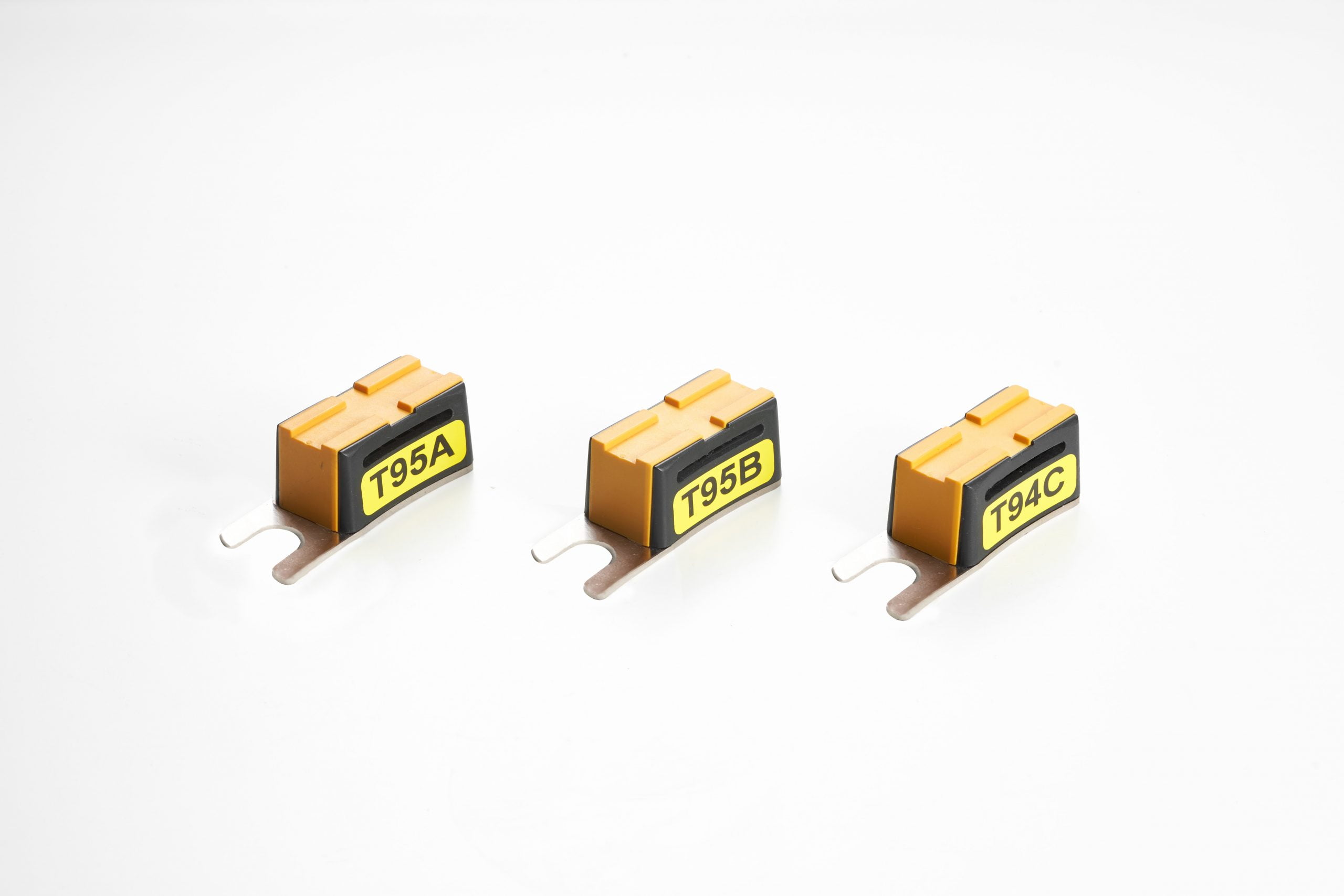


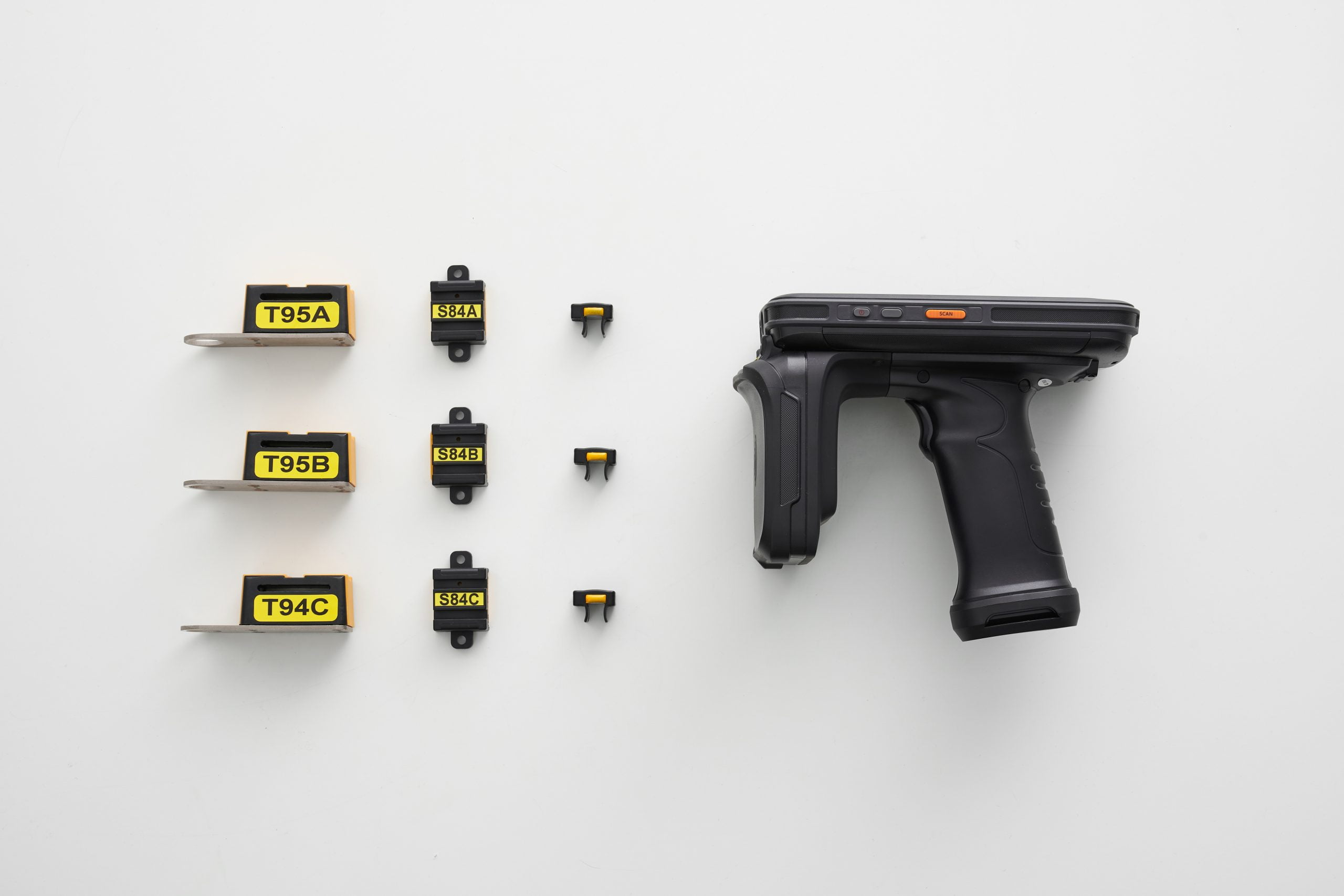


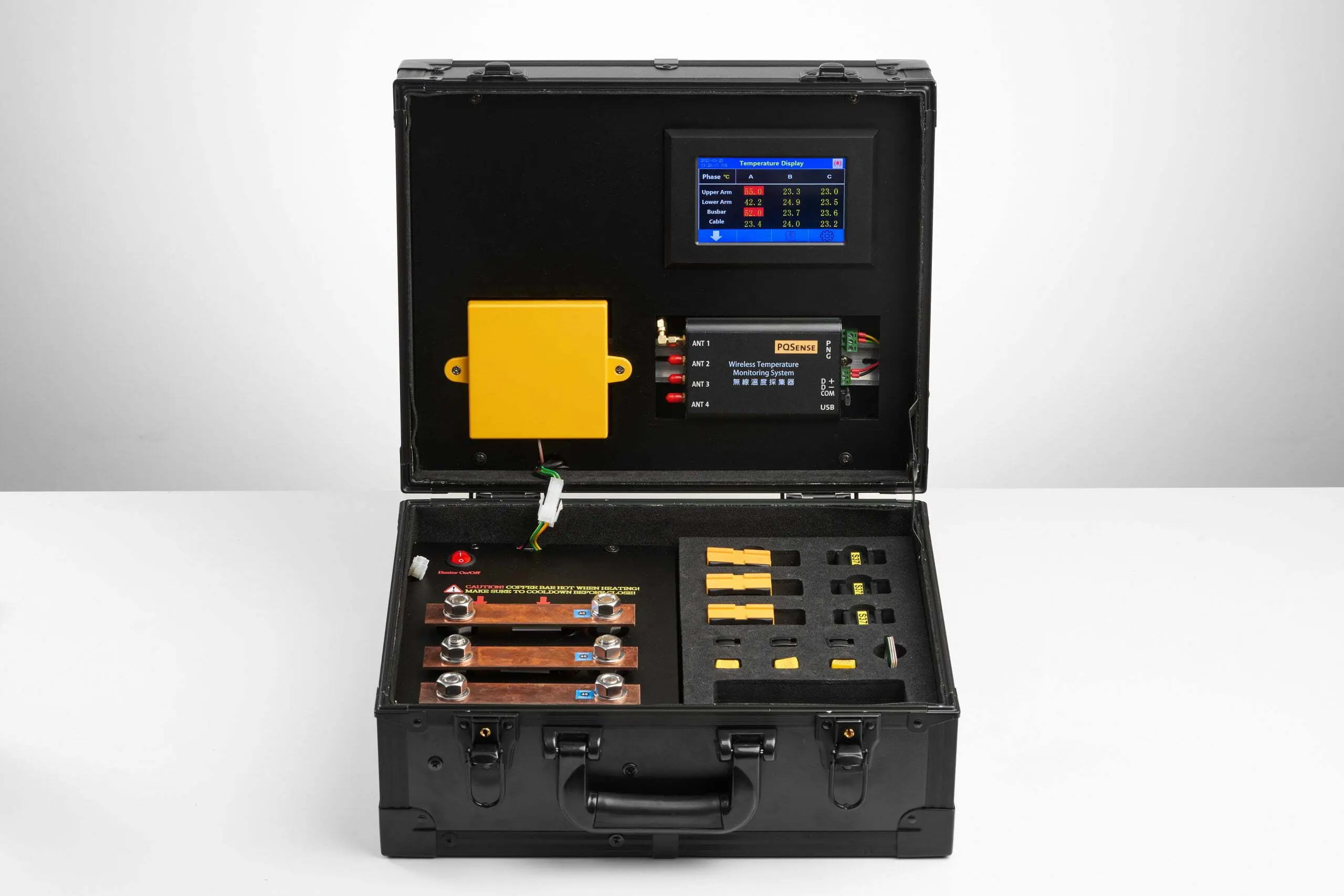


PQSENSE temperature monitoring equipment is designed to address this critical challenge. Miniaturized wireless temperature sensors are installed directly at key heat-generating points inside the switchgear, such as circuit breaker contacts, cable terminals, and busbars, enabling real-time, high-precision temperature monitoring.


PQSENSE temperature monitoring solutions provide ideal wireless temperature monitoring for RMU switches, cable terminations, and busbars.


PQSENSE temperature monitoring solutions provide passive wireless monitoring for transformers, particularly for critical heat-generating points such as bushings and terminals on oil-immersed or dry-type transformers.


PQSENSE temperature monitoring equipment provides cost-effective early warning monitoring for low-voltage environments.


高功率機櫃需要重新確認各供電迴路的設計電流、容量與備援安排。了解 AI 資料中心的配電分層、要先選哪些設備納入溫度監測,以及測點、天線與驗收條件在設計階段要確認什麼。
高功率機櫃需要重新確認各供電迴路的設計電流、容量與備援安排。了解 AI 資料中心的配電分層、要先選哪些設備納入溫度監測,以及測點、天線與驗收條件在設計階段要確認什麼。

Temperature monitoring in Industry 4.0 can be evaluated in three areas: using wireless sensing to cover points that are difficult to wire or observe, using temperature records to support anomaly analysis, and connecting notifications, inspections, and maintenance results into a traceable workflow. For power distribution equipment, reliable contact temperature data provides the foundation for evaluating AI and system integration. Manual inspections and wired sensors can still be used alongside these systems to meet site requirements.
The following three areas explain the maintenance needs they address and the conditions to confirm before deployment.
Wireless temperature monitoring can reduce signal wiring at sensing points. Passive RFID sensors, for example, require no battery replacement. Fixed readers can track changes between inspections, while handheld readers support on-site inspections of multiple points. Configuration should be based on the equipment, measurement points, and required data frequency.
Before deployment, review critical power connections, existing inspection routes, and gaps in data coverage to identify locations that would benefit from additional monitoring. This connects technology selection to actual maintenance needs.
Wireless and RFID temperature monitoring makes contact data that was previously difficult to obtain available for viewing and recording. Any savings in maintenance time or cost should be assessed against the number of points, inspection workflow, and ongoing maintenance needs.
Periodic measurements alone may leave temperature changes between inspections unrecorded. Fixed RFID monitoring can collect data from installed sensing points over time, linking temperatures to equipment and timestamps. Adding load, operating, and repair records provides more context for analyzing abnormal patterns.
Once the data and models have been validated, AI analysis can support:
PQSense provides contact temperature data and records that can support maintenance analysis. A temperature alarm is not, by itself, AI and does not establish the ability to predict when a failure will occur. Predictive functions require separate confirmation of the model, data requirements, and validation method.
Automated collection can reduce some manual recording work and make measurement points, timestamps, and abnormal events easier to trace. If records are intended to support audits, applicable requirements, retention periods, and record contents still need to be confirmed. Installing monitoring equipment alone does not establish compliance with a standard.
| Function | Periodic manual measurements | Fixed automated collection |
|---|---|---|
| Data collection | Personnel take and record measurements on site | Installed points are read according to the configuration |
| Record management | Point IDs, times, and measurement conditions must be recorded | Storage and export depend on platform configuration; data completeness still needs checking |
| Anomaly detection | Depends on inspection timing and interpretation | Notifications depend on collection frequency and alarm settings |
| Personnel responsibilities | Measure, record, compare, and inspect | Check system status, interpret alarms, and arrange corrective action |
Fixed monitoring can collect contact data on an ongoing basis according to its configuration. Data can be displayed locally or on a monitoring platform; cloud connectivity is not required. Handheld inspections capture readings when personnel scan the sensors on site.
Start with critical electrical connections and the data currently missing. Then select fixed or handheld equipment and establish point identification, records, and an alarm response process. PQSense battery-free RFID solutions help obtain contact temperatures at locations that are difficult to observe directly. Once reliable data has accumulated, assess whether AI analysis can address a specific maintenance problem.
Contact PQSense to discuss measurement points, data frequency, and a monitoring configuration suited to your site.

How can semiconductor fabs use passive RFID temperature monitoring for power distribution? Explore equipment selection, fixed and handheld configurations, cross-team alert handover, and PQSense installation during outages and acceptance checks to connect temperature data with routine maintenance.

Discover how PQSense’s Passive Wireless Temperature Monitoring System delivers real-time, battery-free monitoring for switchgear, substations, and critical power systems—reducing risk and eliminating maintenance.

Discover how Smart Home Insurance providers can prevent electrical fires with PQSense’s real-time monitoring sensors. Proactive protection saves costs, reduces risk, and builds customer trust.

Discover the PQSense handheld temperature monitoring system—powered by RFID, battery-free, and designed for fast, accurate industrial inspections. Replace infrared guns with smarter, real-time scanning.
Tel: +886 (02) 27350332
Fax: +886 (02) 27350329
Email: [email protected]
Address: 8F ,No. 110, Section 2, Keelung Rd, Taipei

| Cookie | Duration | Description |
|---|---|---|
| cookielawinfo-checkbox-analytics | 11 months | This cookie is set by GDPR Cookie Consent plugin. The cookie is used to store the user consent for the cookies in the category "Analytics". |
| cookielawinfo-checkbox-functional | 11 months | The cookie is set by GDPR cookie consent to record the user consent for the cookies in the category "Functional". |
| cookielawinfo-checkbox-necessary | 11 months | This cookie is set by GDPR Cookie Consent plugin. The cookies is used to store the user consent for the cookies in the category "Necessary". |
| cookielawinfo-checkbox-others | 11 months | This cookie is set by GDPR Cookie Consent plugin. The cookie is used to store the user consent for the cookies in the category "Other. |
| cookielawinfo-checkbox-performance | 11 months | This cookie is set by GDPR Cookie Consent plugin. The cookie is used to store the user consent for the cookies in the category "Performance". |
| viewed_cookie_policy | 11 months | The cookie is set by the GDPR Cookie Consent plugin and is used to store whether or not user has consented to the use of cookies. It does not store any personal data. |


