





Basic Knowledge
When Should You Upgrade from Periodic Inspections to Continuous Temperature Monitoring? Decision Criteria and Configuration Guidance
Assess supply impact, inspection gaps and


Production line downtime often starts with a hidden issue—like undetected overheating or gradual equipment deterioration. Without smart temperature monitoring, these problems escalate into full-blown failures, halting operations and damaging a company’s reputation. To prevent unplanned downtime, manufacturers need real-time visibility into equipment health before failures occur.
Imagine your production line is running at full capacity when a sudden power distribution failure brings everything to a halt. Upon inspection, you discover that a cable terminal has been overheating for an extended period, eventually burning out. Unfortunately, traditional annual inspections fail to identify such gradual deterioration—similar to relying on an annual health check-up while missing daily warning signs until a serious illness is diagnosed.
Unplanned downtime not only disrupts order fulfillment but also leads to high repair costs, production losses, and damage to brand reputation. The impact of downtime extends beyond production stoppages, affecting employee productivity, delivery schedules, and customer trust. Common causes of unexpected production halts include:
Human Errors – Mistakes in operation, failure to follow standard procedures
Equipment Failures – Aging components, software errors, improper configurations
External Factors – Cyberattacks, power outages, fires, floods, or other unforeseen incidents
Most equipment failures don’t happen overnight—they result from long-term wear and tear. Here are some frequent issues related to power distribution systems:
Over time, internal components degrade: screws loosen, terminal surfaces oxidize, and pressure springs lose elasticity. These minor issues increase contact resistance, affecting power supply stability. When power delivery becomes unstable, production machines may experience sudden shutdowns or brief interruptions, impacting the entire manufacturing process.
To maximize production efficiency, factories often run capacitors at loads exceeding their design limits. When a capacitor operates beyond 80% of its rated capacity for extended periods, internal temperatures rise, reducing its power compensation capability. This instability affects the precision of industrial equipment, potentially triggering protective shutdown mechanisms.
Cable terminals undergo repeated heating and cooling cycles during regular operation, leading to material fatigue. As contact resistance increases, the heat buildup worsens, eventually causing burned terminals, short circuits, or widespread power disruptions.
Insulators and pressure springs that support electrical equipment are vulnerable to temperature fluctuations and vibrations. Over time, they may develop cracks or weaken. Once these components fail, electrical connections lose proper contact pressure, leading to unstable currents and potential system failures.
One of the most overlooked yet critical issues is the lack of real-time monitoring. Many businesses rely on annual inspections, but these spot-checks fail to capture dynamic equipment changes. When an anomaly occurs, maintenance teams struggle to determine when the issue first emerged, leading to prolonged downtime and greater losses.
With the right monitoring systems and maintenance plans, businesses can detect and resolve potential issues before they escalate. Industrial maintenance strategies typically fall into four categories:
Corrective maintenance involves repairing equipment only after a failure occurs. Ideally, businesses should minimize reliance on this approach by implementing preventative maintenance strategies. However, when unexpected damage occurs, immediate repairs remain necessary.
Preventative maintenance focuses on scheduled servicing to prevent failures. This includes routine part replacements, lubrication, and system inspections. By maintaining equipment proactively, businesses can reduce unexpected breakdowns and minimize downtime.
This approach uses real-time monitoring of key parameters such as temperature, vibration, and pressure to detect anomalies before failures occur. Traditional condition monitoring relied on infrared temperature guns for periodic inspections, but this method requires consistent manual data collection to be effective.
Predictive maintenance integrates IoT sensors, historical maintenance records, and manufacturer data to anticipate failures before they happen. PQSense’s smart temperature monitoring solution falls under this category, using historical temperature trends to provide risk warnings. This allows businesses to detect potential failures early, reducing unplanned downtime.
Most factories still rely on:
Annual inspections (which fail to track changes over time)
Manual infrared temperature checks (which have long intervals and can miss anomalies)
Scheduled part replacements (which don’t guarantee optimal equipment performance)
The biggest flaw in these approaches? There’s no continuous monitoring, making it impossible to detect when issues start developing.
For example, if a high-voltage switchgear experiences a temperature spike, a manual inspection might record 75°C on Monday and 95°C on Friday—but what happened in between? If the temperature exceeded the danger threshold on Wednesday, no one would know until it was too late.
Conventional maintenance primarily relies on periodic servicing and manual inspections, but this method fails to prevent downtime effectively. Even with frequent inspections, equipment failures can occur between scheduled checks. By the time issues are detected, significant damage may have already been done.
Temperature monitoring via infrared thermometers is common, but manual inspections are limited by workforce availability. A factory may only conduct one or two checks per day—if any at all. During these intervals, unnoticed abnormalities could lead to serious failures. Additionally, manually recorded data is often fragmented, making it difficult for engineers to identify long-term trends and plan maintenance effectively.
Increasing inspection frequency requires significant labor costs, making it an impractical solution. Moreover, when equipment malfunctions, the absence of real-time data forces maintenance teams to spend extra time diagnosing the issue, further extending downtime and losses.
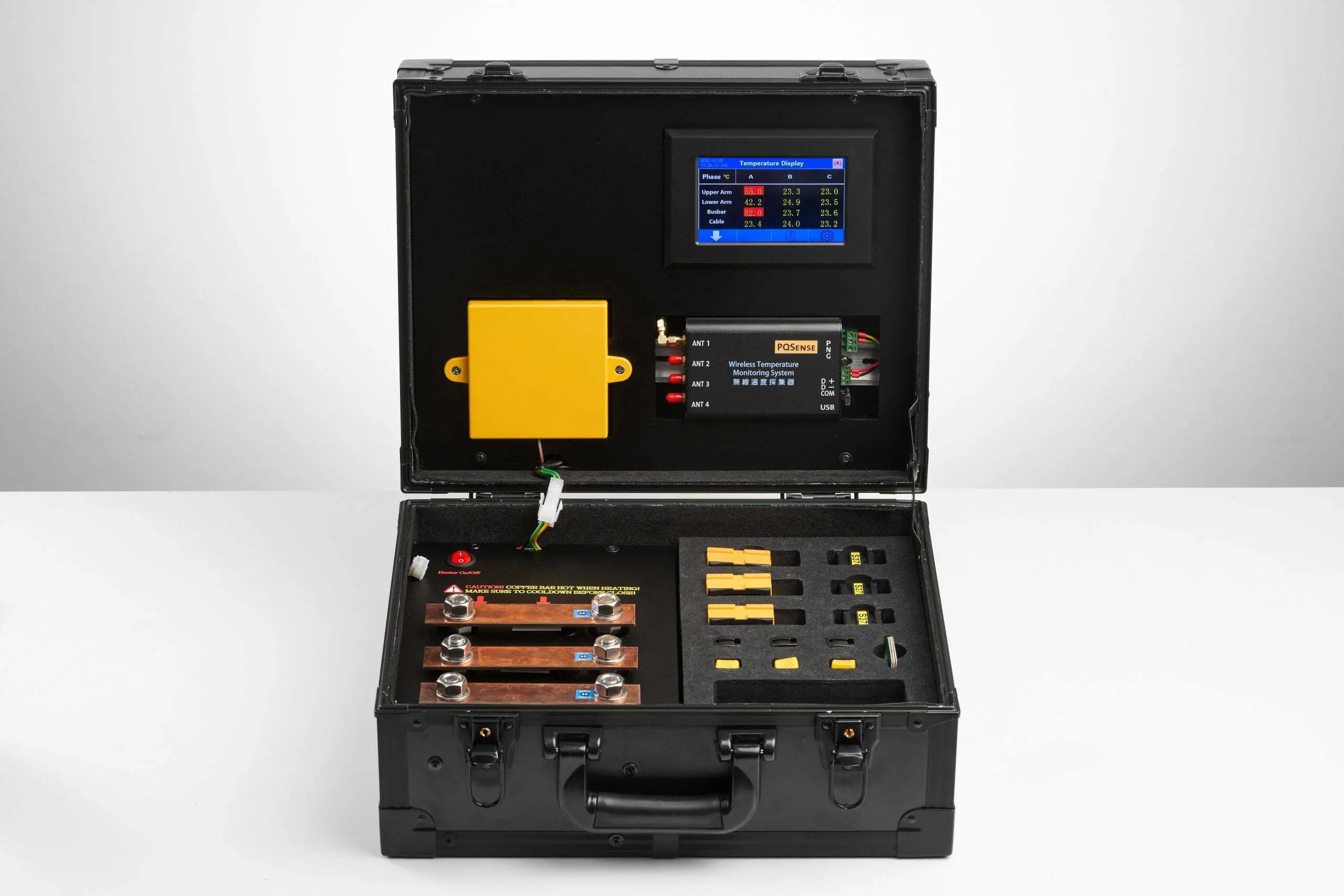
The best solution for industrial temperature monitoring is a 24/7 wireless monitoring system that automates data collection and alerts managers to potential failures before they occur.
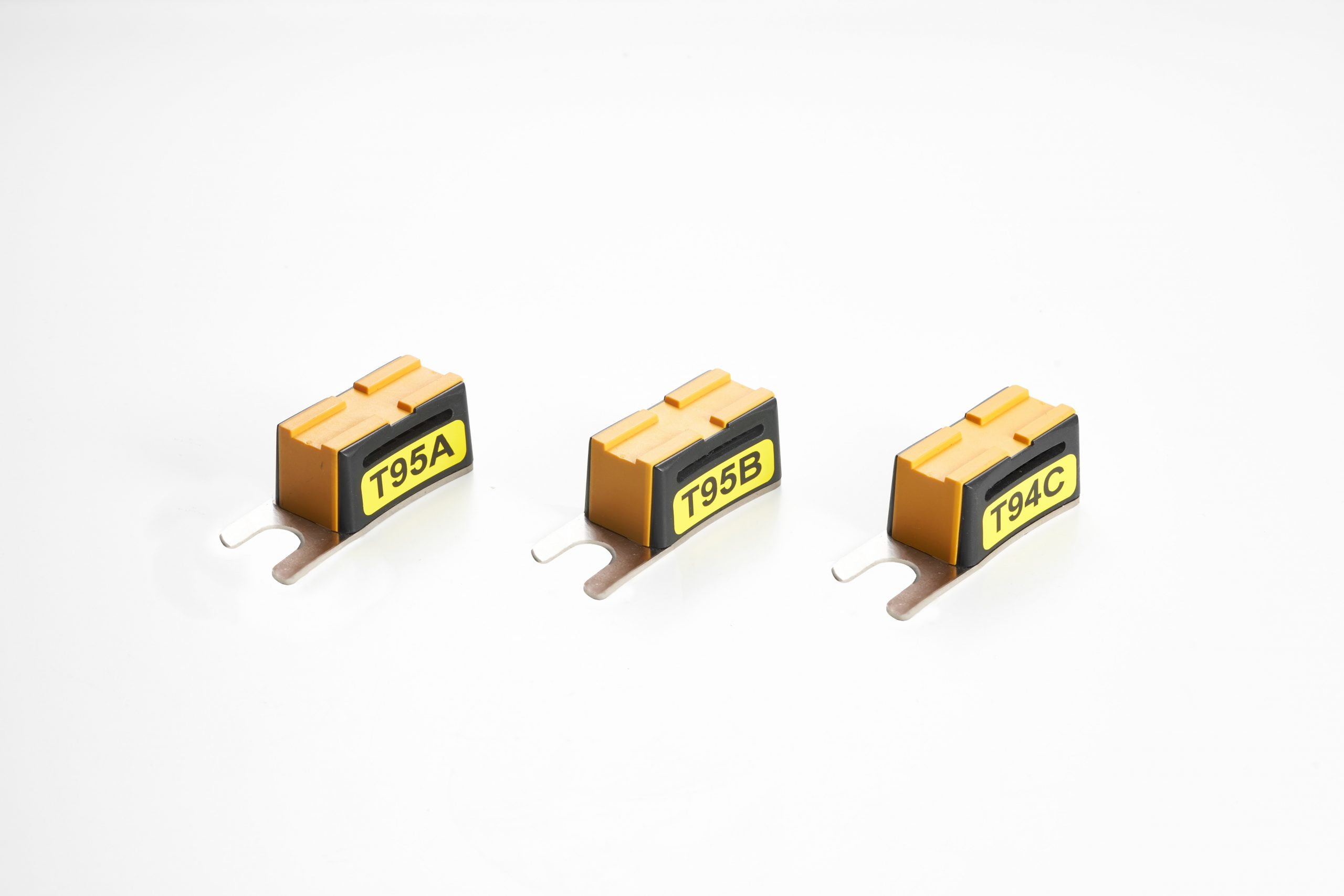
PQSense provides a battery-free wireless temperature monitoring system designed for industrial equipment and critical infrastructure. Key advantages include:
Battery-Free Wireless Sensors – Uses passive RFID technology, eliminating the need for power sources, making it ideal for high-temperature and hard-to-reach environments.
Flexible Deployment & Seamless Integration – Easily integrates into smart grids, industrial equipment, and transportation systems, with support for SCADA, DCS, and IoT platforms for real-time data visualization.
Predictive Maintenance & Risk Prevention – Analyzes historical temperature data and trends to predict potential failures, optimizing maintenance plans and reducing downtime.
PQSense makes temperature monitoring simpler, smarter, and more efficient, helping businesses enhance safety, operational efficiency, and asset longevity.
Power system failures are often long-term issues, not sudden problems.
Traditional inspections lack continuous data, making it difficult to respond quickly.
With 24/7 wireless temperature monitoring, businesses can implement accurate predictive maintenance strategies.
🔍 Detecting an anomaly one week in advance can prevent a full day of production downtime.
Does your factory have real-time monitoring in place?
Want to learn how PQSense can help minimize downtime risks? Contact us today!

Discover how PQSense’s Passive Wireless Temperature Monitoring System delivers real-time, battery-free monitoring for switchgear, substations, and critical power systems—reducing risk and eliminating maintenance.

Discover how Smart Home Insurance providers can prevent electrical fires with PQSense’s real-time monitoring sensors. Proactive protection saves costs, reduces risk, and builds customer trust.

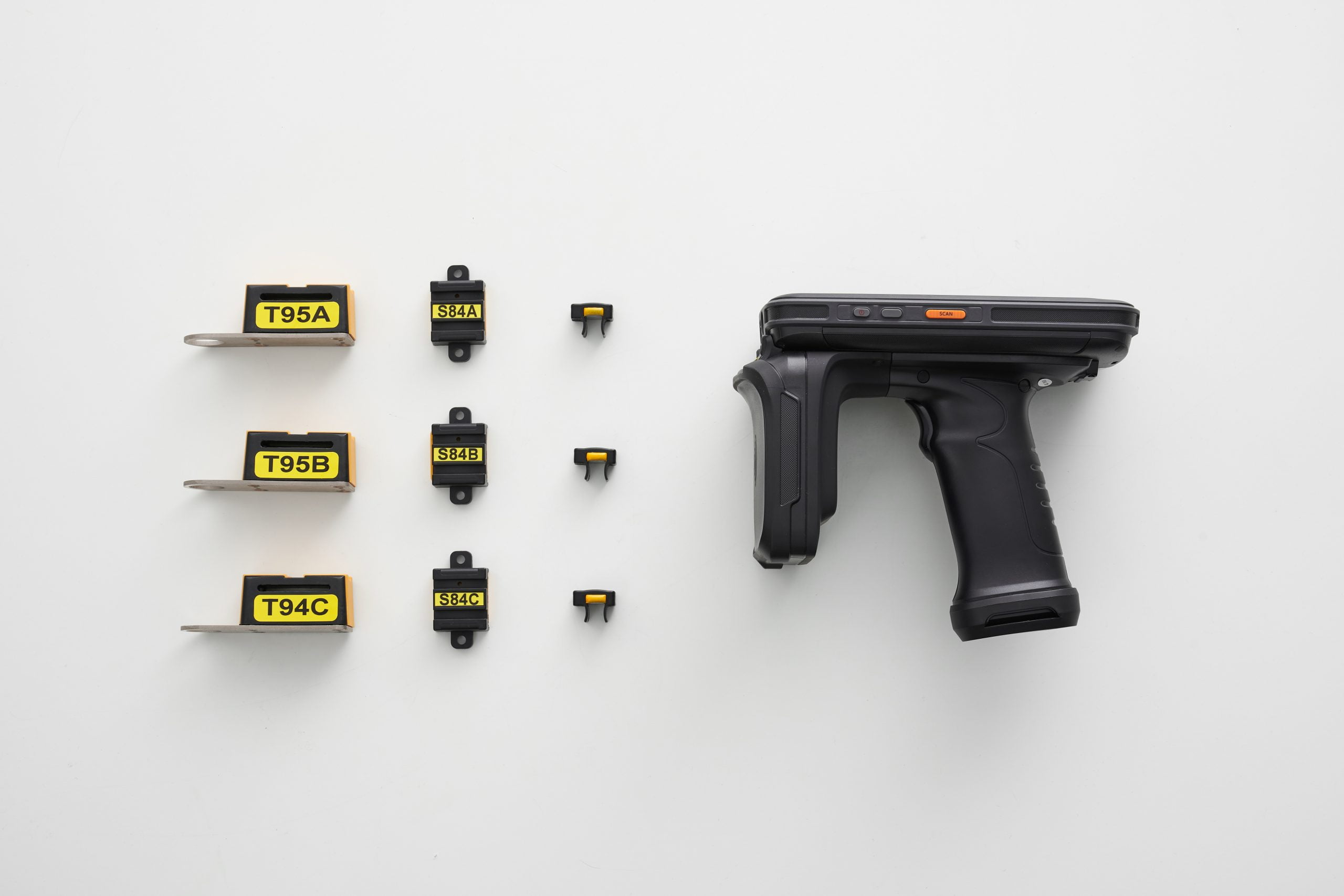
Discover the PQSense handheld temperature monitoring system—powered by RFID, battery-free, and designed for fast, accurate industrial inspections. Replace infrared guns with smarter, real-time scanning.

Three key trends shaping temperature monitoring in Industry 4.0: wireless RFID sensors, AI-driven predictive maintenance, and automated compliance reporting.